UniSZA Turns Probiotic Buffalo Milk Whey For Local Dairy Growth


Universiti Sultan Zainal Abidin (UniSZA) has initiated the production of probiotic buffalo milk whey, aiming to enhance Malaysia’s local dairy industry. The research, starting in 2020, focuses on utilizing whey, a by-product of cheese making, for health-oriented beverages.
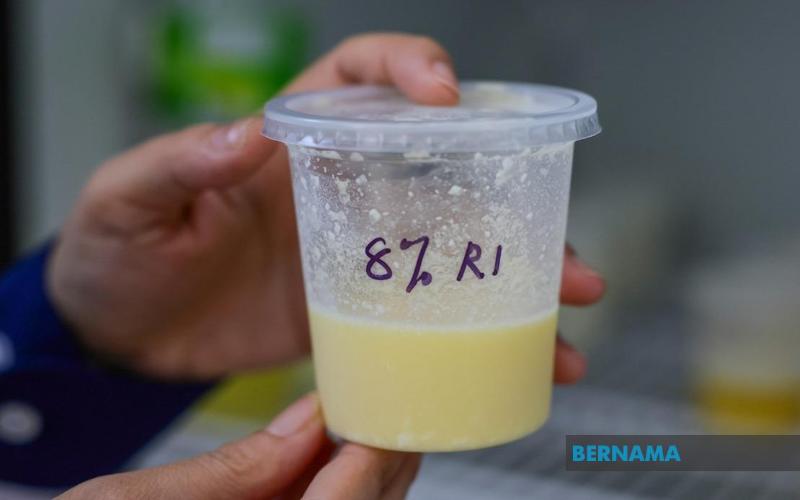
UniSZA Develops Probiotic Buffalo Milk Whey for Local Dairy Growth
The Faculty of Veterinary Medicine at Universiti Sultan Zainal Abidin (UniSZA) is spearheading a project to turn buffalo milk whey into a beneficial probiotic drink. Whey, previously considered a waste by-product in cheese production, is now being utilized as a key ingredient for health supplements and functional beverages. This innovation is aimed at bolstering the local dairy sector in Malaysia.

Dr. Noor Syaheera Ibrahim, Deputy Dean of the Faculty, highlighted that research on whey began in 2020, initially focusing on goat and cow milk. The scope was later expanded to include buffalo milk, with the development of whey probiotics now patented and documented in scientific publications.

The production process, carried out at the UniSZA Besut Campus, involves several stages including milk pasteurization and bacterial fermentation over 24 hours. The buffalo milk whey probiotics are enriched with beneficial bacteria like Lactobacillus acidophilus, promoting digestive health and immune support.

The buffalo milk is sourced from Malaysia’s sole dairy buffalo farm in Selangor. Currently, production is on a small scale, with limited availability during campus events. The product, which boasts a one-month shelf life, is noted for its similarity in taste to existing probiotic drinks.

Noor Syaheera explained the nutritional advantages of buffalo milk whey over cow’s milk whey, citing a higher protein content and immune-supportive properties. She emphasized its potential for commercialization as a cost-effective alternative to imported whey products, which are typically more expensive and available in powder form.

The team at UniSZA plans to conduct courses to educate the public on whey production, hoping to stimulate local entrepreneurial interest in buffalo milk-based products.
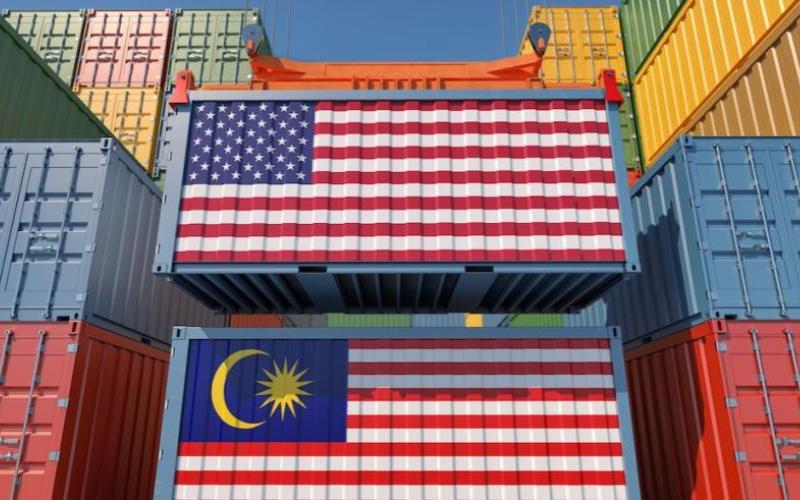


U.S. Dairy Exports to Malaysia Surge Through New Trade Agreement

U.S. Dairy Exports to Malaysia Surge Amid New Trade Agreement
U.S. dairy exports to Malaysia are gaining significant momentum following a recent trade mission led by Undersecretary for Trade and Foreign Agricultural Affairs Luke Lindbergh. The mission has fostered discussions on dairy market access, especially under President Trump’s new trade agreement with Malaysia. This agreement addresses previous challenges related to Halal certification, a critical requirement for imported food products in Malaysia, a predominantly Muslim-majority country.

Lindbergh indicated that the outlook for U.S. dairy exports, particularly cheese, is promising. He noted, “Our cheese exports are actually up 245 percent over the last year, 23 percent on dairy specifically overall.” This surge underscores the growing consumer demand for U.S. dairy products and presents expanding opportunities for American dairy farmers and processors.

Historically, Halal certification has been a challenge in the U.S.–Malaysia dairy trade, but the new trade agreement aims to streamline certification procedures. Lindbergh explained that this change reduces friction for U.S. dairy exporters and improves consistency and predictability in market access.

The agreement’s provisions include lowering tariffs and reducing regulatory barriers, which better positions U.S. dairy producers to compete effectively in the Malaysian market. Lindbergh expressed optimism, stating, “We’re very optimistic. We see a very bright future and already great momentum for dairy in Malaysia.”

With rising demand for products like cheese and other value-added dairy items, Malaysia is becoming a key growth market in Southeast Asia. This growth is part of a broader strategy to expand U.S. agricultural exports and open new opportunities for American farmers and agribusinesses.

Overall, the trade mission and the subsequent agreement highlight the potential for U.S. dairy exports to become a major success story within the U.S.–Malaysia trade relationship, with strong growth, improved access, and long-term potential firmly in place.