Dairy Farmers Adopt Specialized Soybean Varieties To Raise The Quality & Milk Solids
Ganaderos apuestan por variedades especializadas de soja en la dieta bovina para elevar la calidad y los sólidos de la leche
Dairy Farmers incorporate specialized varieties of soybeans into cattle diets to improve milk’s fat, protein content, organoleptic quality of milk, and reduce feed costs.

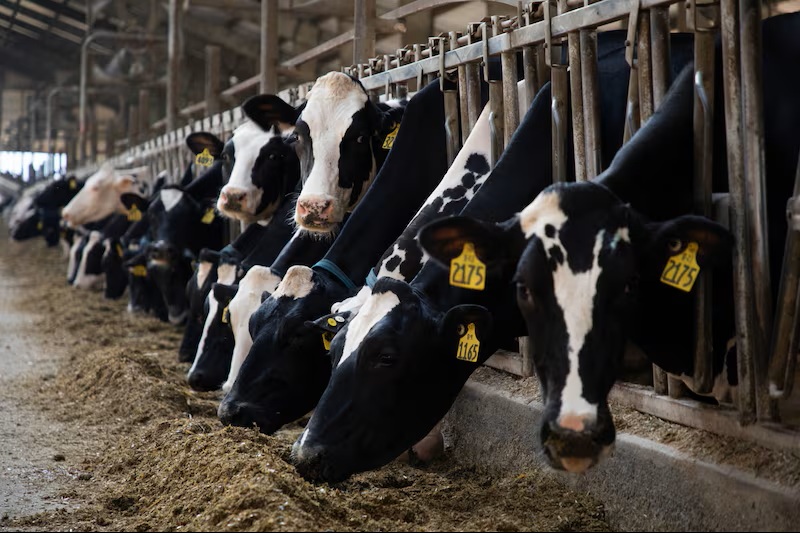
Producers are using higher-value soybean varieties and meals in dairy rations, including high-oleic soybeans and by-products with elevated levels of rumen-undegradable, or bypass, protein. The approach is designed to increase the production of total milk solids in the udder while supplying digestible lipids and essential amino acids.

The specialized feeds are also being used to influence rumen fermentation. Their stable unsaturated fatty acids are described as helping direct nutrients towards the mammary gland and as reducing the risk of milk-fat depression, a condition associated with diets containing high levels of conventional concentrates. The ration strategy is intended to support high lactation peaks without compromising rumen health or the body condition of high-producing cows.

On the financial level of the production units, higher percentages of butterfat and milk protein can affect farm revenues where processors pay according to the concentration of solids in each liter delivered. The use of denser protein and energy sources can also allow producers to reduce or replace some commercial fat supplements. Examples cited include calcium soaps and bypass fats derived from palm, both of which are described as high-cost inputs.

The financial measure used for this comparison is Income Over Feed Cost, which reflects the margin remaining after feed expenses. The source links the use of specialized soy products with an improvement in that margin through greater milk-solids output and lower reliance on certain purchased fat supplements.

At the level of industrial processing and consumer preference, milk from herds receiving the modified rations is described as having a richer texture, greater oxidative stability and a stronger flavor profile. These characteristics are relevant to processors making matured cheeses, creams, butter and premium fluid milk. The feed programme is also presented as addressing demand for functional foods with more balanced fatty-acid profiles and traceability from the farm.

The use of genetically optimized forage grains brings agricultural biotechnology together with precision nutrition and dairy-processing requirements. The stated objective is to match crop quality with the specifications of processors while improving efficiency, sustainability and value creation across the dairy supply chain. The report was sourced from Bloomberg Línea.



High Oleic Soybeans (HOSBs) Gain Popularity In Dairy Cattle Feed


A specialty soybean originally developed for food use is increasingly finding a market in dairy cattle feed. This shift offers benefits for soybean farmers and dairy producers by reducing costs and enhancing milk quality.

High oleic soybeans (HOSBs), a specialty crop initially developed for food production, are finding a new and expanding market in dairy cattle feed. Originally sought after by food manufacturers for their neutral flavor, high heat stability, and extended shelf life, these soybeans are now being used extensively in animal feed. In 2025, approximately 1 million acres of HOSBs were planted, with more than half of the production designated for dairy cattle feed.

HOSBs are notable for their unique fatty acid profile, which includes higher levels of oleic acid—75% compared to the 23% found in traditional soybeans—and lower levels of linoleic acid. This composition enhances the longevity and stability of the soybean oil, extending shelf life, making it more desirable in markets seeking products with lower saturated fat levels and increased heat resistance.

The adoption of HOSBs in dairy rations is driven by their potential to lower feed costs while improving milk components, thereby increasing income over feed costs for dairy producers. According to industry researchers and leaders, HOSBs could become the next significant value-added crop opportunity for soybean farmers.

Overall, HOSBs are utilized in various sectors: 55% in dairy cattle feed, 43% in human food, and 2% for industrial purposes. Their growing use in dairy feed reflects a shift in agricultural practices aimed at optimizing animal nutrition and economic returns. Find out more Dairy cattle feed.


Fermentation Boost Bioactivity in Oat & Soy Dairy Alternatives

Fermentation Enhances Bioactivity in Oat and Soy Dairy Alternatives
A recent study reveals how they reshape bioactive lipids to influence inflammation, oxidation, and platelet activity at a molecular level.

Fermented plant-based dairy alternatives can do more than improve taste.

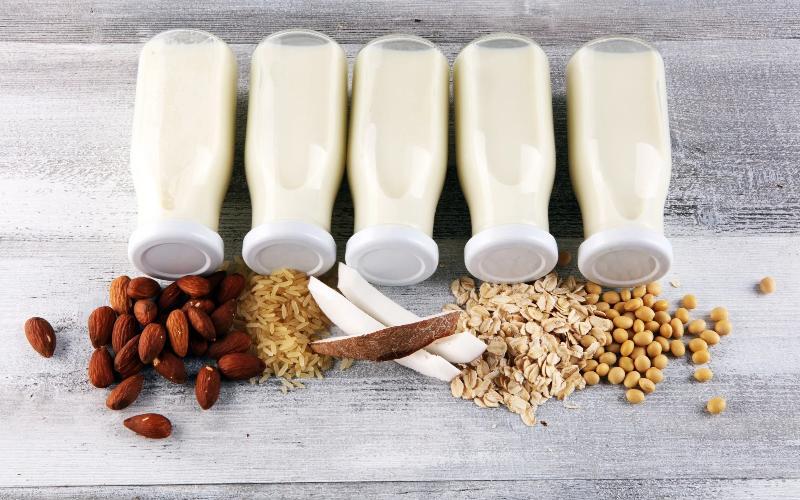
Fermentation of plant-based dairy alternatives, specifically those derived from oats and soy, has been shown to enhance their health-promoting properties. According to a study published in the journal Nutrients, fermentation can increase the bioavailability of bioactive compounds such as lipids, which are crucial in reducing inflammation and supporting cardiometabolic health.

The research focused on how fermentation affects the bioactivity of lipids in commercial soy and oat beverages and yogurt-type products. The authors noted that the fermentation process leads to an increase in total lipid content, with fermented soy yogurt-type drinks containing, on average, 4.5 g of total lipids per 100 g compared to 3.8 g per 100 g in non-fermented drinks. This change was also reflected in the enhancement of carotenoid concentrations, particularly in yogurt-type samples.

In addition, the study explored the effect of fermentation on the prevention of platelet aggregation. It was found that fermented soy yogurt exhibited enhanced antiplatelet activity, whereas oat yogurt showed mixed results. Structural changes in phospholipids due to fermentation were associated with improved n-6/n-3 fatty acid balance, contributing to the increased bioactivity of these beverages.

While these findings are promising, the authors emphasize the preliminary nature of the study, which was based on in vitro and ex vivo assays rather than human trials. They suggest that further research is needed to confirm these effects in humans and to understand the underlying mechanisms.

Key Findings

  • Fermentation increases the total lipid content in soy and oat products.
  • Enhanced concentrations of carotenoids and phenolics are observed post-fermentation.
  • Fermented soy yogurt shows improved antiplatelet and antioxidant activity.