UniSZA Turns Probiotic Buffalo Milk Whey For Local Dairy Growth


Universiti Sultan Zainal Abidin (UniSZA) has initiated the production of probiotic buffalo milk whey, aiming to enhance Malaysia’s local dairy industry. The research, starting in 2020, focuses on utilizing whey, a by-product of cheese making, for health-oriented beverages.
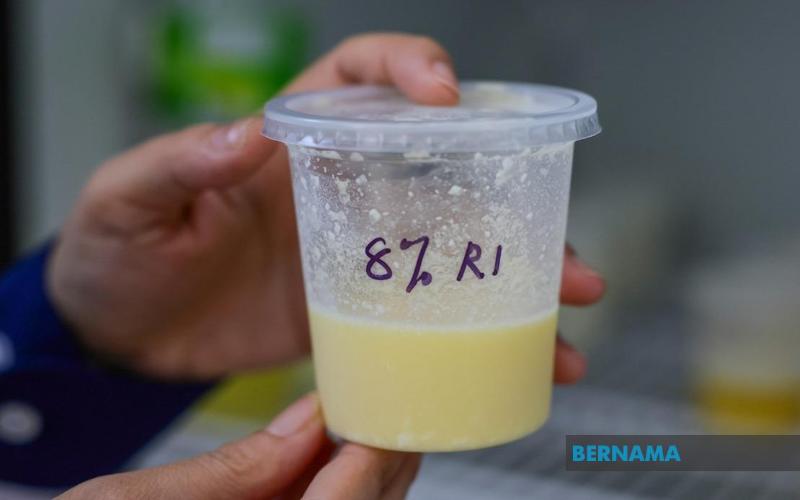
UniSZA Develops Probiotic Buffalo Milk Whey for Local Dairy Growth
The Faculty of Veterinary Medicine at Universiti Sultan Zainal Abidin (UniSZA) is spearheading a project to turn buffalo milk whey into a beneficial probiotic drink. Whey, previously considered a waste by-product in cheese production, is now being utilized as a key ingredient for health supplements and functional beverages. This innovation is aimed at bolstering the local dairy sector in Malaysia.

Dr. Noor Syaheera Ibrahim, Deputy Dean of the Faculty, highlighted that research on whey began in 2020, initially focusing on goat and cow milk. The scope was later expanded to include buffalo milk, with the development of whey probiotics now patented and documented in scientific publications.

The production process, carried out at the UniSZA Besut Campus, involves several stages including milk pasteurization and bacterial fermentation over 24 hours. The buffalo milk whey probiotics are enriched with beneficial bacteria like Lactobacillus acidophilus, promoting digestive health and immune support.

The buffalo milk is sourced from Malaysia’s sole dairy buffalo farm in Selangor. Currently, production is on a small scale, with limited availability during campus events. The product, which boasts a one-month shelf life, is noted for its similarity in taste to existing probiotic drinks.

Noor Syaheera explained the nutritional advantages of buffalo milk whey over cow’s milk whey, citing a higher protein content and immune-supportive properties. She emphasized its potential for commercialization as a cost-effective alternative to imported whey products, which are typically more expensive and available in powder form.

The team at UniSZA plans to conduct courses to educate the public on whey production, hoping to stimulate local entrepreneurial interest in buffalo milk-based products.




USDA Projects Steady Growth in U.S. Dairy Production 2026

dairy production
The U.S. Department of Agriculture has released their Dairy Production Projections for 2026.

The U.S. Department of Agriculture (USDA) has announced its projections for dairy production through the year 2026, indicating a steady growth in milk output. According to USDA Livestock Analyst Anthony Fischer, the growth in milk production has been consistent, although there has been a slight slowdown in recent years.

Fischer said, “Milk output continues to grow. It’s appeared to slow down a bit in recent years, but the trend is pretty steady. Milk output per cow growth is expected to continue into 2026 as farmers take advantage of genetic advancements and improved herd management. The steady growth in output has helped farmers manage milk production during times of weather disruptions and (Highly Pathogenic Avian Influenza) HPAI-related decreases to output per cow, specifically in California in the first quarter of last year.”

In terms of milk components, Fischer highlighted that these are mirroring the growth in milk output per cow. The most recent quarterly milk fat percentage was recorded at 4.44%, marking a record high for all quarters. This trend reflects both genetic advancements and a shift in consumer preferences towards dairy products over fluid milk.

Fischer added that the milk fat percentage is expected to rise further by 2026, driven by increased output per cow and a dairy herd that is stabilizing rather than expanding rapidly. Seasonal patterns are anticipated to remain consistent, with an increase in milk production typically seen during the spring flush in the second quarter this year.


USDA Allocates $263 Million For Dairy & Agricultural Products To Support Food Banks

USDA Allocates $263 Million for Dairy and Agricultural Products to Support Food Banks

The United States Department of Agriculture (USDA) has committed to purchasing up to $263 million in dairy and agricultural products. This initiative falls under Section 32 of the Agriculture Act of 1935 and is intended to bolster nutrition assistance programs and food banks across the nation. USDA Secretary Brooke Rollins highlighted that this effort aims to stabilize farm income and protect rural jobs by converting agricultural harvests into meals.

The breakdown of the purchases includes $75 million for butter, $32.5 million for cheddar cheese and cheese products, $10 million for Swiss cheese, and $20.5 million for fresh fluid milk. Additionally, $10 million will be spent on ultra-high temperature milk. These products will be essential in supporting food banks and nutrition programs.

Beyond dairy, the USDA’s purchase plan covers a variety of agricultural products such as chickpeas, dried beans, fresh pears, lentils, pecans, split peas, and walnuts, with individual allocations ranging from $10 million to $25 million. Secretary Rollins emphasized the importance of these purchases in sustaining the agricultural economy and reinforcing the food supply chain.

The USDA’s action is designed to inject critical dollars into local economies while ensuring that American families have access to nutritious food. By targeting a wide range of products, the USDA seeks to provide comprehensive support to both producers and consumers during challenging economic times.