USDA Allocates Over $11 Million To Enhance Dairy Innovation & Marketing
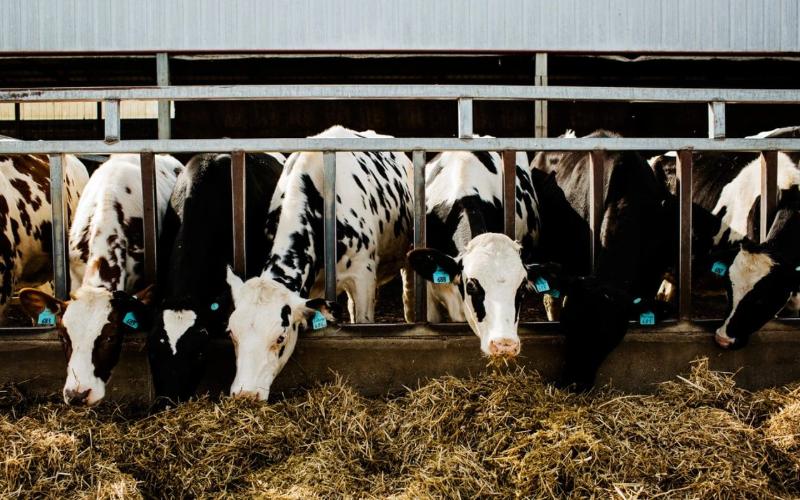
USDA Allocates $11 Million to Enhance Dairy Innovation and Marketing
The US Department of Agriculture (USDA) has awarded more than $11 million in grants to promote innovation and marketing within the dairy sector. This initiative is specifically designed to support small and mid-sized dairy businesses, facilitating their growth, production and enhancing their market competitiveness.

The funding aims to encourage the development of value-added products and innovative marketing strategies. By focusing on these areas, the USDA intends to help dairy producers increase their profitability and sustainability in a competitive market environment.

“This funding through the Dairy Business Innovation Initiatives makes important investments in the domestic dairy industry, furthering USDA’s efforts to ensure Americans have access to affordable wholesome U.S. dairy products,” said USDA Under Secretary for Marketing and Regulatory Programs Dudley Hoskins.

This grant program is part of a broader USDA strategy to bolster the agricultural sector by supporting innovation and ensuring that smaller producers have the tools necessary to succeed. The funds are expected to be distributed among various projects that align with these goals, although specific recipients have not been detailed in the announcement.


Background and Impact

The USDA’s commitment reflects an ongoing effort to strengthen rural economies through targeted investments in agriculture. By prioritizing innovation and marketing, the USDA seeks to address challenges faced by small and mid-sized dairy businesses, such as fluctuating market demands and increased competition.

Dairy innovation grants like these play a crucial role in enabling producers to explore new product lines and reach new markets. They also help in offsetting costs associated with research and development, which can be prohibitively expensive for smaller operations.

This funding initiative is aligned with the USDA’s broader goals of enhancing agricultural sustainability and fostering economic growth across rural America. As the dairy industry continues to evolve, such investments are essential for maintaining the competitiveness of American dairy producers on a global scale.
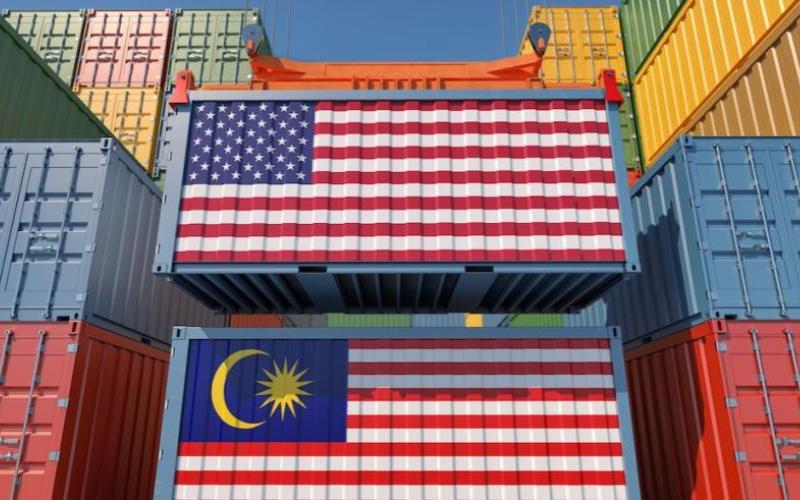


U.S. Dairy Exports to Malaysia Surge Through New Trade Agreement

U.S. Dairy Exports to Malaysia Surge Amid New Trade Agreement
U.S. dairy exports to Malaysia are gaining significant momentum following a recent trade mission led by Undersecretary for Trade and Foreign Agricultural Affairs Luke Lindbergh. The mission has fostered discussions on dairy market access, especially under President Trump’s new trade agreement with Malaysia. This agreement addresses previous challenges related to Halal certification, a critical requirement for imported food products in Malaysia, a predominantly Muslim-majority country.

Lindbergh indicated that the outlook for U.S. dairy exports, particularly cheese, is promising. He noted, “Our cheese exports are actually up 245 percent over the last year, 23 percent on dairy specifically overall.” This surge underscores the growing consumer demand for U.S. dairy products and presents expanding opportunities for American dairy farmers and processors.

Historically, Halal certification has been a challenge in the U.S.–Malaysia dairy trade, but the new trade agreement aims to streamline certification procedures. Lindbergh explained that this change reduces friction for U.S. dairy exporters and improves consistency and predictability in market access.

The agreement’s provisions include lowering tariffs and reducing regulatory barriers, which better positions U.S. dairy producers to compete effectively in the Malaysian market. Lindbergh expressed optimism, stating, “We’re very optimistic. We see a very bright future and already great momentum for dairy in Malaysia.”

With rising demand for products like cheese and other value-added dairy items, Malaysia is becoming a key growth market in Southeast Asia. This growth is part of a broader strategy to expand U.S. agricultural exports and open new opportunities for American farmers and agribusinesses.

Overall, the trade mission and the subsequent agreement highlight the potential for U.S. dairy exports to become a major success story within the U.S.–Malaysia trade relationship, with strong growth, improved access, and long-term potential firmly in place.


General Mills Reported Exceeds Expectations Despite Divesting Yogurt Business


General Mills has reported its fiscal second-quarter results, surpassing Wall Street expectations with adjusted earnings of $1.10 per share, above analysts’ projections of $1.02. Despite facing challenges from the sale of its yogurt business in North America, the company’s shares rose by 1.17% following the announcement. Net sales for the quarter ending November 23 reached $4.9 billion, exceeding the consensus estimate of $4.78 billion, though representing a 7% year-over-year decline.

The divestment of the yogurt business, which included the Yoplait brand, led to a 10% decrease in sales for the North American Retail segment, which saw a 13% fall in net sales. This strategic move is part of General Mills’ shift towards higher-margin categories with less competition from private labels, which have affected their fresh dairy market share. The yogurt segment, with its high perishability and logistical costs, has faced profitability pressures in mature markets due to consumer shifts towards plant-based or premium functional products.

Organic net sales, excluding acquisitions and divestitures, dropped by only 1% year-over-year, demonstrating the resilience of the remaining portfolio. Jeff Harmening, CEO of General Mills, noted that investments in product innovation, premium packaging, brand communication, and omnichannel execution are driving organic volume growth in North America, enhancing competitiveness across all segments.

The North American Pet segment saw an 11% increase in net sales, benefiting from the acquisition of Whitebridge Pet Brands. The International segment experienced a 6% growth, driven by strong performance in Brazil, China, India, and North Asia. This geographic diversification helps offset domestic market weaknesses, where private-label competition and consumer preferences for fresh, local, and less-processed foods pressure traditional categories like cereals and baking mixes.

General Mills has reaffirmed its fiscal 2026 outlook, expecting organic net sales to range between -1% and +1%, with adjusted operating profit and diluted earnings per share projected to decrease by 10% to 15% in constant currency. This cautious guidance reflects a transitional year post-dairy divestment, prioritizing reinvestment in strategic brands over short-term margin expansion.