Washington Allocates $13.8 Million Commerce Investment For Sustainable Dairy Digesters
Washington Allocates $13.8 Million for Sustainable Dairy Digesters
Funding will help reduce methane, wastewater from dairy manure and organic waste

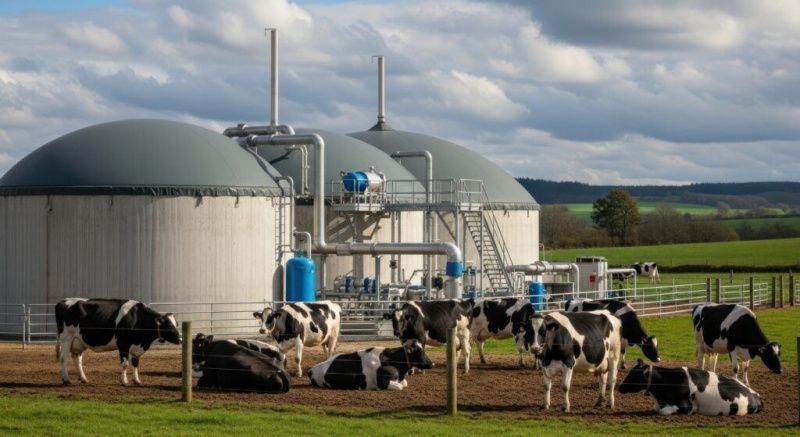
The Washington State Department of Commerce has announced an investment of $13.8 million in seven projects in five mostly rural counties, including one tribal community, to enhance sustainable dairy management. This funding, part of the Dairy Digester Program, aims to build, repair, and upgrade systems that capture methane from dairy manure and organic waste.

Anaerobic digesters, which transform manure and food waste into usable energy, play a crucial role in addressing environmental challenges in Washington, where almost 250,000 cow and goat milk animals reside. These systems not only reduce greenhouse gas emissions but also improve wastewater management and generate renewable energy and nutrient-rich fertilizer, providing environmental and economic benefits.

Sarah Clifthorne, interim director of the Department of Commerce, emphasized the dual benefits of these projects, stating, “These dairy projects cut emissions and boost the resiliency of rural communities. They’re a smart, practical way to deliver cleaner air and water, while creating new economic opportunities for Washington farmers.” Over the next decade, these initiatives are projected to reduce greenhouse gas emissions by over 1 million metric tons of carbon dioxide and capture more than 7,400 tons of waste runoff.

The projects include a $2.53 million anaerobic digester construction in Franklin County by 5D RNG LLC and a $4.65 million upgrade of existing digester facilities by the Tulalip Tribes of Washington in Snohomish County. Other projects involve upgrading outdated systems, constructing new digesters, and implementing nutrient recovery technologies.

Funding for these projects was sourced from the Climate Commitment Act (CCA) capital funding and the Clean Energy Fund. An additional $9.7 million has been allocated for future dairy digester projects in the 2026 supplemental budget.

The program also benefited from community feedback through a Request for Information and public listening sessions, shaping its focus on cost-effective methods like cover-and-flare projects that are suitable for smaller dairies. These projects are aligned with Washington’s agricultural conditions and aim to minimize transportation impacts

Additionally, $500,000 has been appropriated to the Washington State University Energy Program to provide technical expertise and support to these projects. This investment is expected to enhance the long-term sustainability of on-farm digesters and connect producers with necessary research and resources.



Rotary Milking Technology Upgrade Boosts Efficiency on U.S. Dairy Farm

Rotary Milking Upgrade Boosts Efficiency on U.S. Dairy
Wisconsin family farm invests in modern milking technology to improve productivity, cow comfort, and long-term generational continuity.

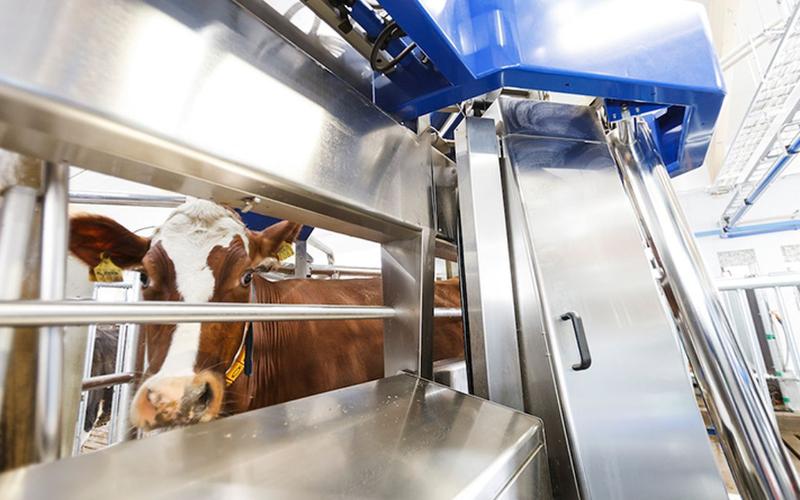
A sixth-generation dairy family in Wisconsin has significantly improved farm efficiency and herd performance after investing in a modern rotary milking parlor. The upgrade replaced a double-ten parlor installed in 1995 and was designed after extensive research into new milking technologies that could better support herd expansion and operational efficiency. According to dairy farmer Luke Luchterhand, this modern facility is designed to support the farm’s plans for herd expansion and to serve the needs of future generations.

Efficiency Boost in U.S. Dairy Farm Through Rotary Milking Technology
The rotary milking system allows for a streamlined milking process, which reduces the time required to milk the cows and increases the overall productivity of the farm. The new technology is part of a broader trend among U.S. dairy farms to adopt advanced milking systems that can handle larger herds more efficiently.

With the seventh generation already in mind, the modernization strategy reflects a broader trend in the dairy industry toward technology adoption that strengthens efficiency, animal welfare, and long-term farm succession.

The farm’s investment in this technology reflects a growing emphasis within the dairy industry on improving quality through technological advancements. As the dairy sector continues to evolve, such innovations are becoming increasingly necessary to maintain competitiveness and meet rising consumer demands for high-quality milk products.


USDA Projects Steady Growth in U.S. Dairy Production 2026

dairy production
The U.S. Department of Agriculture has released their Dairy Production Projections for 2026.

The U.S. Department of Agriculture (USDA) has announced its projections for dairy production through the year 2026, indicating a steady growth in milk output. According to USDA Livestock Analyst Anthony Fischer, the growth in milk production has been consistent, although there has been a slight slowdown in recent years.

Fischer said, “Milk output continues to grow. It’s appeared to slow down a bit in recent years, but the trend is pretty steady. Milk output per cow growth is expected to continue into 2026 as farmers take advantage of genetic advancements and improved herd management. The steady growth in output has helped farmers manage milk production during times of weather disruptions and (Highly Pathogenic Avian Influenza) HPAI-related decreases to output per cow, specifically in California in the first quarter of last year.”

In terms of milk components, Fischer highlighted that these are mirroring the growth in milk output per cow. The most recent quarterly milk fat percentage was recorded at 4.44%, marking a record high for all quarters. This trend reflects both genetic advancements and a shift in consumer preferences towards dairy products over fluid milk.

Fischer added that the milk fat percentage is expected to rise further by 2026, driven by increased output per cow and a dairy herd that is stabilizing rather than expanding rapidly. Seasonal patterns are anticipated to remain consistent, with an increase in milk production typically seen during the spring flush in the second quarter this year.