China Achieves Major Breakthrough in Cloning Super High-Yield Dairy Goats
China Achieves Breakthrough in Cloning High-Yield Dairy Goats
Chinese scientists have successfully cloned six super high-yield dairy goats, marking the country’s significant advancement in livestock biotechnology.

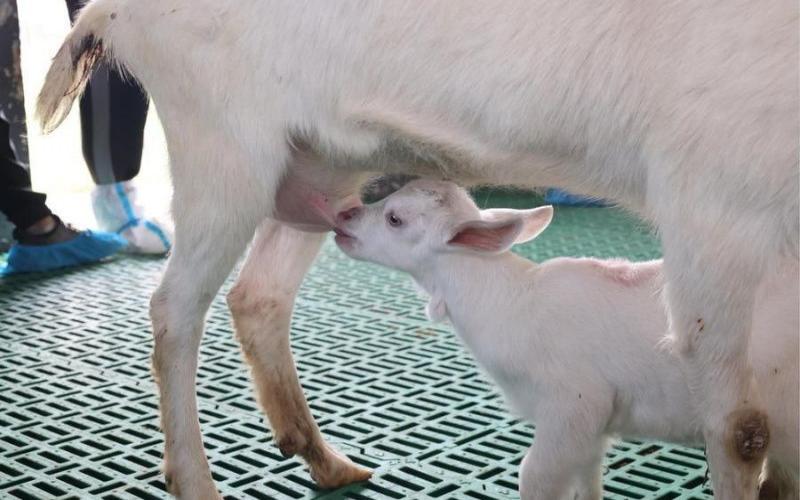
Researchers at Northwest A&F University in Shaanxi Province have completed the first successful batch cloning of high-yield dairy goats, a notable achievement in China’s livestock biotechnology. The team cloned six Saanen goats, consisting of four males and two females, from elite donor animals known for their exceptional milk production performance.

The donor goats surpassed standard production levels, with average annual milk yields exceeding 2,800 kilograms. These goats were also noted for their strong milk fat and protein content, reproductive performance, disease resistance, and environmental adaptability, making them valuable assets for improving the genetic quality of the dairy goat sector.

The cloning process utilized an advanced molecular breeding platform combining genomic selection with somatic cell cloning technology. The researchers optimized various stages, including cell isolation, embryo reconstruction, embryo transfer, and pregnancy monitoring, to achieve large-scale replication of elite genetics.

Scientists said the technology could dramatically reduce breeding timelines compared with conventional methods. Traditionally, improving dairy goat herds takes eight to ten years. However, Cloning allows for quicker multiplication of superior genetics, preserving desirable traits across generations. This breakthrough could significantly reduce breeding timelines compared to conventional methods.

The success is particularly important for Shaanxi Province, where the Northwest A&F University is located, which holds about 40% of China’s dairy goat population and processes nearly 80% of its goat milk products. This achievement aligns with China’s 15th Five-Year Plan (2026-2030), which emphasizes food security, livestock efficiency, and diversification of agricultural production systems through innovation and genetic advancement.


China’s Dairy Industry Stabilizes with Mega-farms Dominate Production

China's Dairy Industry Stabilizes as Mega-farms Dominate Production
The United States Department of Agriculture (USDA) projects that China’s dairy industry will reach a phase of structural stability by 2026. This follows a period of volatility characterized by declining milk prices since 2022. As a result, smaller dairy producers have exited the market, leading to a consolidation of production within larger industrial operations.

According to the USDA’s office in Beijing, mega-farms now account for over 68% of China’s total milk production. This marks an increase of more than 2% compared to the previous year. The consolidation trend reflects a broader global pattern where operations with economies of scale dominate markets with compressed profit margins.

China’s local dairy production is gradually reducing its historic dependency on imports. Although fluid milk imports are expected to decline slightly by 2026, the production of skim milk powder is projected to increase, maintaining current import levels. Despite this progress, China remains reliant on foreign suppliers for specialized dairy products where domestic competitiveness is still developing.

The USDA also forecasts a slight growth in both the production and importation of butter and cheese. Meanwhile, imports of whey and derivatives are expected to remain strong. These projections highlight strategic opportunities for global exporters, as China’s domestic market continues to evolve.

Overall, the shift towards mega-farm dominance and increased local production are reshaping the dairy supply chain in China, with implications for technology, bovine genetics, feed, and specialized veterinary services. This transformation is steering China’s dairy industry towards efficiency and biosecurity standards comparable to leading Western dairy regions.


Fonterra Emphasizes New Zealand Dairy’s Natural Benefits


Fonterra, New Zealand’s leading dairy cooperative, showcases the advantages of grass-fed dairy in the expanding Chinese market for ‘yellow oil’ butter.

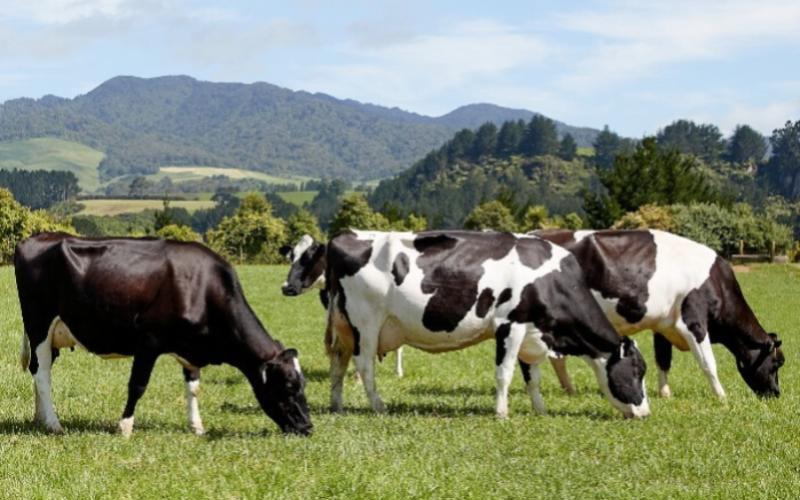
Fonterra is capitalizing on the growing Chinese demand for dairy products, emphasizing the unique qualities of New Zealand’s grass-fed dairy. The “yellow oil” butter, made from milk of grass-fed cows/goats, is particularly prized in China.
Fonterra Emphasizes New Zealand Dairy's Natural Benefits
Fonterra’s greater China CEO, Teh-han Chow, highlighted the benefits of sunshine, grass, and rainfall during the Bakery China expo in Shanghai, drawing attention to the natural production methods that distinguish New Zealand dairy. The expo, which is the largest of its kind, attracted nearly half a million attendees over four days to see the latest in foodservice innovations.

As the Chinese market continues to develop, Fonterra introduced a new commercial cooking cream specifically tailored for the mid-tier commercial baking sector. Moreover, with the Chinese government’s increase of the recommended daily serving of dairy from 300g to 500g, there is a push for dairy’s role as a nutrient source.

Fonterra is also seeking to reinforce its presence in China by keeping its consumer brands and promoting the sustainable, natural aspects of its products. This strategy not only targets China but extends to other Asian markets, using successful themes from previous promotions in South Korea. With high consumer expectations, Fonterra continues to position its offerings with an emphasis on quality and sustainability, aiming to secure loyalty and growth in one of the world’s largest markets.