U.S. Dairy Industry Undergoes Major $11 Billion Transformation
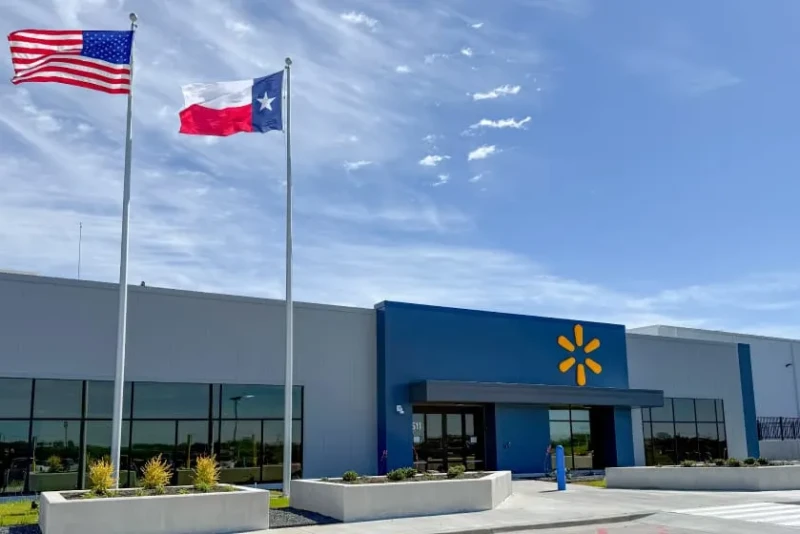
Walmart_Robinson
The United States dairy industry is undergoing one of its most substantial transformations in history, driven by an $11 billion investment. This transformation is characterized by the expansion of specialized plants and increased focus on whey protein production. One of the key players in this transformation is Walmart, which is integrating vertically to reshape the value chain and enhance global competitiveness.

Expansion of Specialized Plants

As part of the transformation, there is a significant expansion of plants specializing in dairy products. This expansion is aimed at meeting the growing demand for whey protein, a product that has seen a surge in popularity due to its nutritional benefits.

Impact of Major Retailers

Major retailers such as Walmart are playing a crucial role in this industry shift. By integrating vertically, these companies aim to streamline the supply chain and reduce costs, ultimately benefiting consumers with lower prices and potentially higher quality products.

The integration and expansion efforts are expected to redefine the competitive landscape of the global dairy market. This strategy could position the U.S. dairy industry more favorably against international competitors.

Walmart’s entry into the dairy sector is seen as a strategic move to leverage its massive distribution network and consumer base to gain a significant market share. The company’s vertical integration approach helps in reducing dependence on external suppliers.

Overall, these developments indicate a major shift in how dairy products are produced and distributed in the United States, with potential long-term impacts on the industry both domestically and internationally.

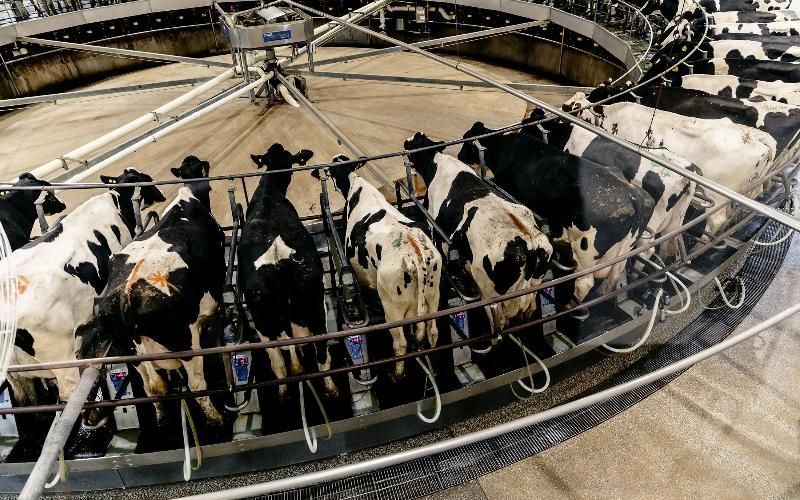
 

Transformation Of US Dairy Industry Over 250 Years

How US Dairy Achieved Global Nutrient Leadership
In the 250 years since the founding of the United States, no agricultural sector has undergone a more profound structural transformation than dairy processing and production. From 1776 homesteads to 2026 data hubs, 250 years of innovation transformed US dairy into a global leader in nutrient density.

The dairy industry has undergone a significant transformation over the past 250 years, evolving from small family farms to large-scale, high-tech operations. Modern mega-dairies are now equipped with advanced technologies, enhancing efficiency and sustainability.

The US dairy industry has experienced a profound transformation since the country’s founding in 1776. Initially, dairy production was a local, survival-driven necessity, with families keeping cows to provide essential nutrition. Over the next two and a half centuries, the industry evolved into a sophisticated network of high-tech, corporate mega-dairies.

By 2026, the traditional homestead model had been replaced by advanced commercial operations, with facilities milking over 1,000 cows. These modern production sites are equipped with real-time sensor platforms that allow herd managers to monitor animal health and nutrition with precision, a significant leap from the manual labor of the past.

Technological advancements have led to the development of crossbred animals designed to meet specific cheese production needs in international markets. The integration of large-scale anaerobic methane digesters and nutrient-recovery systems has transformed dairy operations into potential net-positive energy producers for local communities.

Despite these changes, the industry’s core remains tied to multi-generational family farming legacies. Daily routines on farms continue to reflect the silent, practiced choreography of livestock management that has defined the sector for generations.

By the turn of the 21st century, the industry had hit a staggering milestone of efficiency. As Dennis Rodenbaugh, chair of the Innovation Center for U.S. Dairy, recently noted, the modern U.S. dairy cow is a biological marvel. Compared to her midcentury predecessors, she produces five times more nutrition while using 65% less water and requiring 90% less land. We have spent 250 years perfecting the “how” of production. Now, we are entering the “why” of the digital era.

The industry’s progress is marked by the construction of modern manufacturing facilities, which serve as symbols of the new era. These developments have positioned American dairy producers as leaders in global nutrient supply, demonstrating a commitment to innovation while maintaining traditional roots.

Labor Shortages & Economic Challenges Impact U.S. Dairy Industry

Labor Shortages and Economic Challenges Impact U.S. Dairy Industry
The U.S. dairy industry is grappling with severe labor shortages, which are exacerbating economic challenges for dairy farms. Large dairy operations are finding it increasingly difficult to hire enough workers, a situation that is contributing to a broader labor crisis within the sector.

One of the key issues facing the industry is the ongoing consolidation of dairy farms. As smaller farms struggle to compete, they are often absorbed by larger operations or forced to shut down. This trend is partly driven by persistently low milk prices, which have made it difficult for many farms to remain profitable.

According to industry reports, the shortage of labor is not only a result of demographic changes but also linked to the demanding nature of dairy work, which requires long hours and physical exertion. Many potential workers are opting for jobs in other sectors that offer better pay and working conditions.

The implications of these challenges extend beyond the dairy farms themselves. Rural communities that rely on dairy farming for economic stability are facing uncertainties. As farms consolidate or close, local economies can suffer from reduced employment opportunities and decreased economic activity.

Efforts to address these issues have included calls for policy changes, such as improving labor mobility and offering incentives to attract workers to the dairy industry. However, these solutions face hurdles, including political and economic constraints.

Future Outlook

While the industry seeks ways to mitigate these challenges, the combination of labor shortages, economic pressures, and consolidation is likely to continue shaping the future of U.S. dairy production. Stakeholders are closely monitoring the situation, hoping for measures that will provide relief and ensure the sustainability of dairy farming in the United States.