Transformation Of US Dairy Industry Over 250 Years

How US Dairy Achieved Global Nutrient Leadership
In the 250 years since the founding of the United States, no agricultural sector has undergone a more profound structural transformation than dairy processing and production. From 1776 homesteads to 2026 data hubs, 250 years of innovation transformed US dairy into a global leader in nutrient density.

The dairy industry has undergone a significant transformation over the past 250 years, evolving from small family farms to large-scale, high-tech operations. Modern mega-dairies are now equipped with advanced technologies, enhancing efficiency and sustainability.

The US dairy industry has experienced a profound transformation since the country’s founding in 1776. Initially, dairy production was a local, survival-driven necessity, with families keeping cows to provide essential nutrition. Over the next two and a half centuries, the industry evolved into a sophisticated network of high-tech, corporate mega-dairies.

By 2026, the traditional homestead model had been replaced by advanced commercial operations, with facilities milking over 1,000 cows. These modern production sites are equipped with real-time sensor platforms that allow herd managers to monitor animal health and nutrition with precision, a significant leap from the manual labor of the past.

Technological advancements have led to the development of crossbred animals designed to meet specific cheese production needs in international markets. The integration of large-scale anaerobic methane digesters and nutrient-recovery systems has transformed dairy operations into potential net-positive energy producers for local communities.

Despite these changes, the industry’s core remains tied to multi-generational family farming legacies. Daily routines on farms continue to reflect the silent, practiced choreography of livestock management that has defined the sector for generations.

By the turn of the 21st century, the industry had hit a staggering milestone of efficiency. As Dennis Rodenbaugh, chair of the Innovation Center for U.S. Dairy, recently noted, the modern U.S. dairy cow is a biological marvel. Compared to her midcentury predecessors, she produces five times more nutrition while using 65% less water and requiring 90% less land. We have spent 250 years perfecting the “how” of production. Now, we are entering the “why” of the digital era.

The industry’s progress is marked by the construction of modern manufacturing facilities, which serve as symbols of the new era. These developments have positioned American dairy producers as leaders in global nutrient supply, demonstrating a commitment to innovation while maintaining traditional roots.
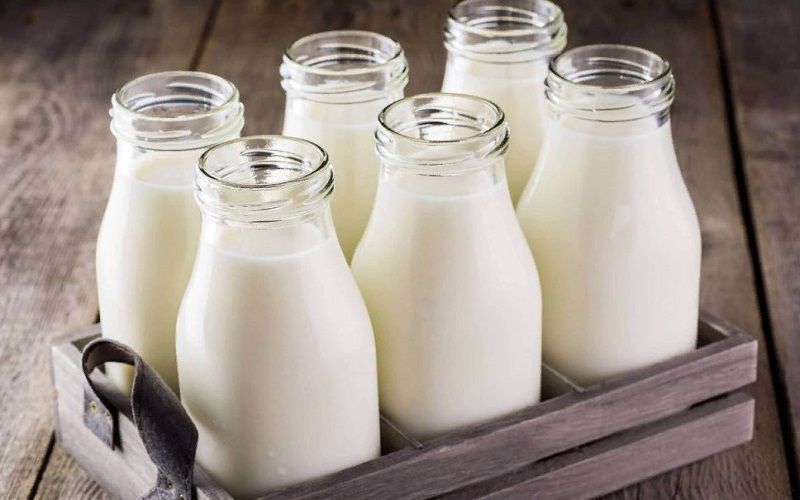
Global Milk Oversupply Drives Down Dairy Values Worldwide

Global milk production growth continues to be exceptionally strong has led to a decrease in dairy prices, affecting profitability in the dairy industry.

Global Oversupply of Milk Drives Down Dairy Prices Worldwide
The global dairy market is currently experiencing a downturn as an oversupply of milk has led to a significant drop in dairy prices. This phenomenon is largely attributed to increased milk production across several key regions worldwide.

As of April 2026, the surplus in milk supply has caused a noticeable decline in the prices of dairy products such as butter and cheese. The European market has been particularly affected, where producers are facing shrinking profit margins due to the falling prices.

Producer economics continue to support high milk output despite declining farmgate prices. Industry experts have noted that the current situation is driven by various factors, including enhanced production capabilities and favorable climatic conditions that have boosted milk yields. The oversupply situation has been further exacerbated by lower consumer demand in some regions, resulting in excess stock.

The impact on the dairy sector is profound, with many producers struggling to maintain profitability. The price drop has led to calls for regulatory interventions to stabilize the market and support producers during this challenging period.

Overall, the global dairy market is navigating a complex landscape shaped by fluctuating demand and supply dynamics, necessitating strategic adjustments by industry players to manage the current economic pressures, and only the most adaptable players are likely to emerge stronger.


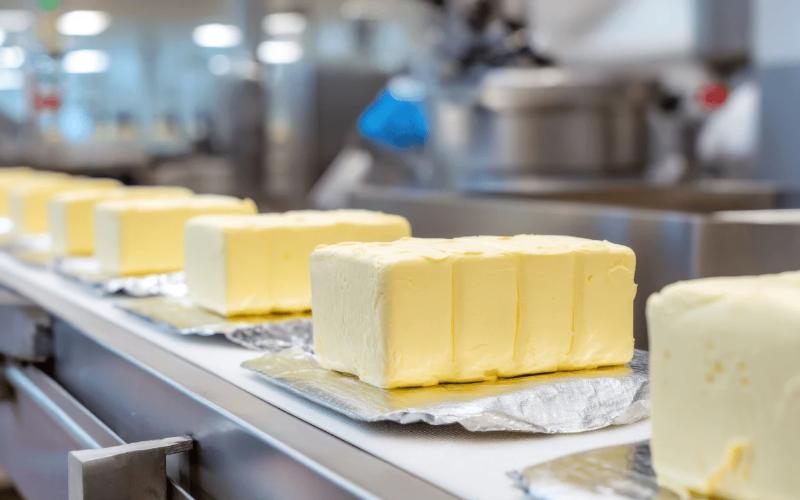
Butter Price Volatility Signals Turning Point in Dairy Market Dynamics

Butter Price Volatility Highlights Shifts in Dairy Market Dynamics
Butter price volatility, tight inventories, and shifting demand signal potential support for milk prices and changing dairy market fundamentals.

The dairy industry is currently observing significant fluctuations in butter prices, which experts believe may signal a turning point in the broader milk markets. This volatility is attributed to several factors, including tight butter inventories and shifting consumer demand patterns.

Analysts point out that the current market conditions could provide support for milk prices, as butter price movements are often closely linked to milk market dynamics. The fluctuations are seen as a reflection of broader changes within the dairy industry, potentially impacting milk pricing strategies.

In recent months, the dairy sector has grappled with varying levels of product availability, influencing both wholesale and retail pricing. This has led to increased scrutiny from industry stakeholders who are keen to understand the long-term implications for dairy market fundamentals.

February 2026 has seen particular attention on these trends, with industry reports emphasizing the critical role of butter as a market indicator. Observers note that the interplay between supply constraints and demand shifts is pivotal in determining future market trajectories.

As these dynamics unfold, industry participants are closely monitoring how these factors will influence procurement strategies and pricing models across the dairy supply chain.