Washington Allocates $13.8 Million Commerce Investment For Sustainable Dairy Digesters
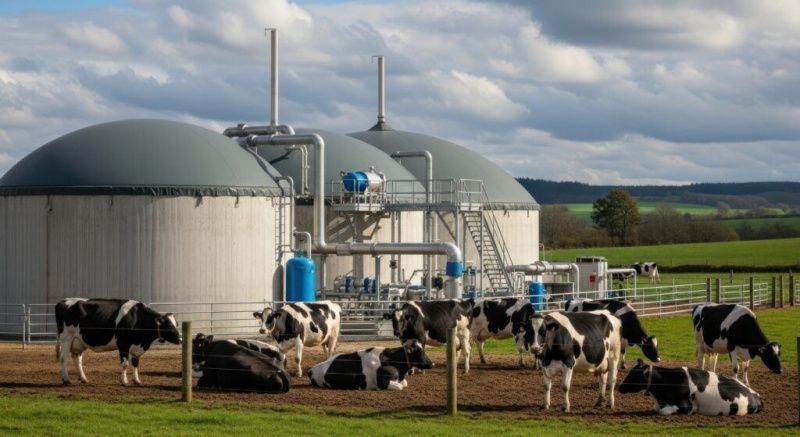
Washington Allocates $13.8 Million for Sustainable Dairy Digesters
Funding will help reduce methane, wastewater from dairy manure and organic waste

The Washington State Department of Commerce has announced an investment of $13.8 million in seven projects in five mostly rural counties, including one tribal community, to enhance sustainable dairy management. This funding, part of the Dairy Digester Program, aims to build, repair, and upgrade systems that capture methane from dairy manure and organic waste.

Anaerobic digesters, which transform manure and food waste into usable energy, play a crucial role in addressing environmental challenges in Washington, where almost 250,000 cow and goat milk animals reside. These systems not only reduce greenhouse gas emissions but also improve wastewater management and generate renewable energy and nutrient-rich fertilizer, providing environmental and economic benefits.

Sarah Clifthorne, interim director of the Department of Commerce, emphasized the dual benefits of these projects, stating, “These dairy projects cut emissions and boost the resiliency of rural communities. They’re a smart, practical way to deliver cleaner air and water, while creating new economic opportunities for Washington farmers.” Over the next decade, these initiatives are projected to reduce greenhouse gas emissions by over 1 million metric tons of carbon dioxide and capture more than 7,400 tons of waste runoff.

The projects include a $2.53 million anaerobic digester construction in Franklin County by 5D RNG LLC and a $4.65 million upgrade of existing digester facilities by the Tulalip Tribes of Washington in Snohomish County. Other projects involve upgrading outdated systems, constructing new digesters, and implementing nutrient recovery technologies.

Funding for these projects was sourced from the Climate Commitment Act (CCA) capital funding and the Clean Energy Fund. An additional $9.7 million has been allocated for future dairy digester projects in the 2026 supplemental budget.

The program also benefited from community feedback through a Request for Information and public listening sessions, shaping its focus on cost-effective methods like cover-and-flare projects that are suitable for smaller dairies. These projects are aligned with Washington’s agricultural conditions and aim to minimize transportation impacts

Additionally, $500,000 has been appropriated to the Washington State University Energy Program to provide technical expertise and support to these projects. This investment is expected to enhance the long-term sustainability of on-farm digesters and connect producers with necessary research and resources.
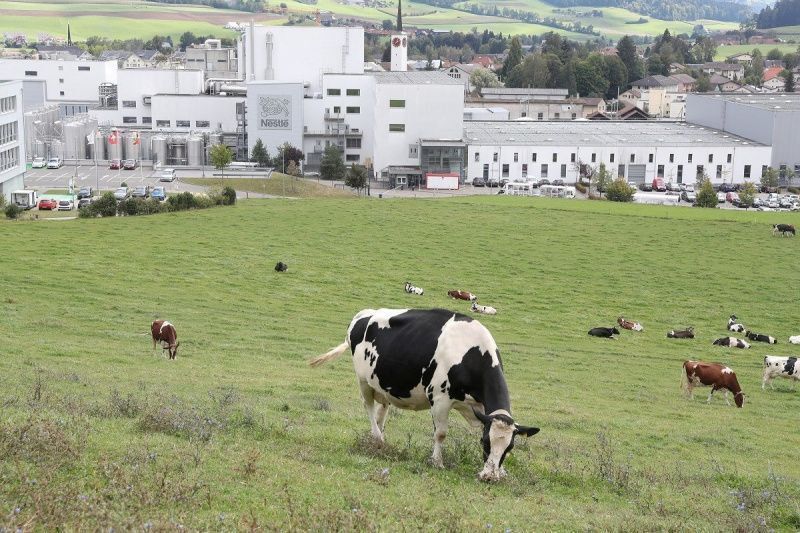



Nestlé Officially Unveils Its First Comprehensive Dairy Sustainability Roadmap

Nestlé Launches Comprehensive Dairy Sustainability Roadmap
Nestlé has launched its inaugural comprehensive Dairy Declaration and Sustainable Sourcing Strategy, marking a significant step in the company’s environmental efforts. This strategy outlines Nestlé’s long-term environmental goals, focusing on reducing greenhouse gas emissions within its extensive international supply chain.

Central to this initiative is the promotion of regenerative agriculture practices among the thousands of family farms contracted by Nestlé. The company plans to provide advanced technical training and financial support to help farmers improve on-farm efficiency. This includes incentives for practices such as soil health restoration, rotational grazing, and improved manure management, aiming to reduce the carbon footprint of milk production.

Implementing sustainable technologies presents financial challenges for independent farmers, as it requires significant investment. To address the potential strain on farm operating margins, Nestlé’s strategy includes developing stable procurement pricing models to protect partners from market volatility.

Beyond farm-level interventions, the strategy emphasizes improving raw material traceability and cold-chain logistics. Nestlé intends to collaborate with local cooperatives to establish regional collection centers equipped with advanced testing and chilling technologies, thereby reducing post-harvest waste and fuel consumption in transportation.

“The Dairy Plan shows that productivity, quality milk and sustainability are closely connected and can positively reinforce each other. Through our collaborative approach across the dairy value chain, we are working to advance this change,” said Katja Seidenschnur, Nestlé’s Head of Sustainability for the Nutrition & Health business.

“Together with farmers, we are deploying innovative solutions and technologies that help them build resilience to climate change and economic pressures, develop skills to run their farms as businesses and improve their livelihoods. These practices are also supporting Nestlé’s long-term access to high-quality milk and milk ingredients – crucial for the production of the nutritious products across our portfolio.”

This initiative reflects a broader shift in the dairy sector towards circular economy models, driven by increasing consumer demand for transparency and eco-friendly practices. As Nestlé rolls out these measures, industry observers will monitor their impact on rural economies and the overall carbon footprint of the dairy industry.


USDA Allocates $263 Million For Dairy & Agricultural Products To Support Food Banks

USDA Allocates $263 Million for Dairy and Agricultural Products to Support Food Banks

The United States Department of Agriculture (USDA) has committed to purchasing up to $263 million in dairy and agricultural products. This initiative falls under Section 32 of the Agriculture Act of 1935 and is intended to bolster nutrition assistance programs and food banks across the nation. USDA Secretary Brooke Rollins highlighted that this effort aims to stabilize farm income and protect rural jobs by converting agricultural harvests into meals.

The breakdown of the purchases includes $75 million for butter, $32.5 million for cheddar cheese and cheese products, $10 million for Swiss cheese, and $20.5 million for fresh fluid milk. Additionally, $10 million will be spent on ultra-high temperature milk. These products will be essential in supporting food banks and nutrition programs.

Beyond dairy, the USDA’s purchase plan covers a variety of agricultural products such as chickpeas, dried beans, fresh pears, lentils, pecans, split peas, and walnuts, with individual allocations ranging from $10 million to $25 million. Secretary Rollins emphasized the importance of these purchases in sustaining the agricultural economy and reinforcing the food supply chain.

The USDA’s action is designed to inject critical dollars into local economies while ensuring that American families have access to nutritious food. By targeting a wide range of products, the USDA seeks to provide comprehensive support to both producers and consumers during challenging economic times.