China Achieves Major Breakthrough in Cloning Super High-Yield Dairy Goats
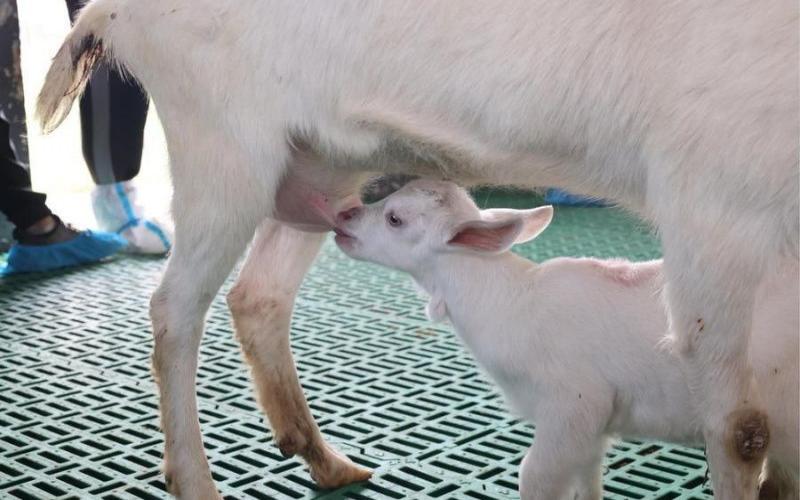
China Achieves Breakthrough in Cloning High-Yield Dairy Goats
Chinese scientists have successfully cloned six super high-yield dairy goats, marking the country’s significant advancement in livestock biotechnology.

Researchers at Northwest A&F University in Shaanxi Province have completed the first successful batch cloning of high-yield dairy goats, a notable achievement in China’s livestock biotechnology. The team cloned six Saanen goats, consisting of four males and two females, from elite donor animals known for their exceptional milk production performance.

The donor goats surpassed standard production levels, with average annual milk yields exceeding 2,800 kilograms. These goats were also noted for their strong milk fat and protein content, reproductive performance, disease resistance, and environmental adaptability, making them valuable assets for improving the genetic quality of the dairy goat sector.

The cloning process utilized an advanced molecular breeding platform combining genomic selection with somatic cell cloning technology. The researchers optimized various stages, including cell isolation, embryo reconstruction, embryo transfer, and pregnancy monitoring, to achieve large-scale replication of elite genetics.

Scientists said the technology could dramatically reduce breeding timelines compared with conventional methods. Traditionally, improving dairy goat herds takes eight to ten years. However, Cloning allows for quicker multiplication of superior genetics, preserving desirable traits across generations. This breakthrough could significantly reduce breeding timelines compared to conventional methods.

The success is particularly important for Shaanxi Province, where the Northwest A&F University is located, which holds about 40% of China’s dairy goat population and processes nearly 80% of its goat milk products. This achievement aligns with China’s 15th Five-Year Plan (2026-2030), which emphasizes food security, livestock efficiency, and diversification of agricultural production systems through innovation and genetic advancement.
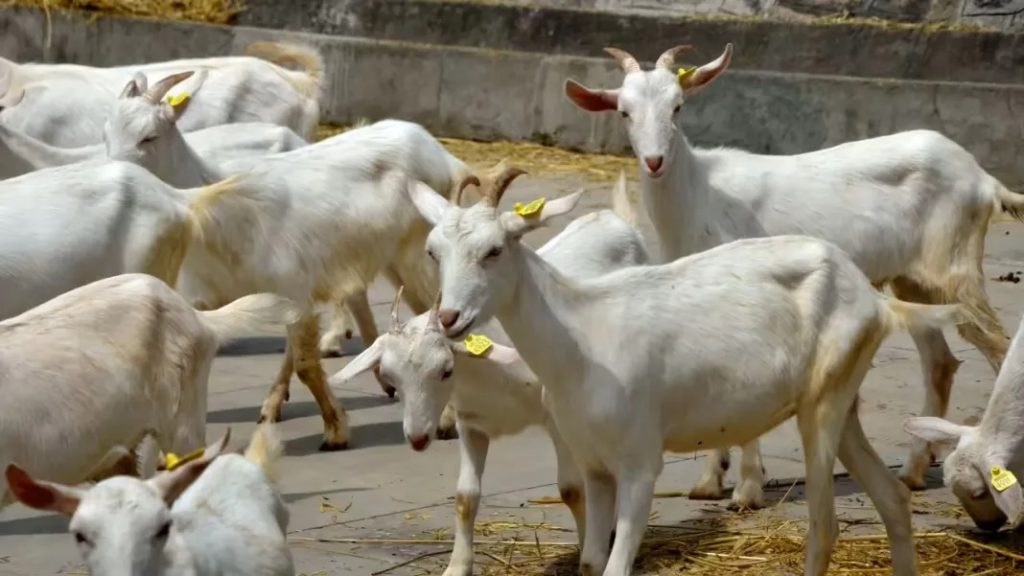


Kashmir Introduces High-Yield Swiss Goat Breeds To Boost Milk Production

Kashmir Introduces High-Yield Swiss Goat Breed
New “Milk Queen” initiative aims to boost dairy output and farmer incomes.

Kashmir has embarked on an ambitious project to introduce high-yield Swiss goat breeds as part of its dairy development strategy. The initiative, known as the ‘Milk Queen’ project, aims to support local farmers by enhancing milk productivity through superior genetic stock.

The Swiss goats, recognized for their superior milk yield compared to local varieties, are expected to significantly boost per-animal productivity. This genetic advantage is intended to help farmers maximize their income from limited resources and land.

Officials highlighted that the initiative is part of a broader push to modernize livestock farming and promote scientific breeding practices. By introducing improved breeds, the program seeks to address productivity gaps and create more sustainable dairy systems in the region.

In addition to introducing the new goat breed, the program emphasizes comprehensive farmer support, offering training and technical guidance necessary for the effective management of the livestock. Such support is crucial to ensure that the benefits of the high-yield breed translate into tangible economic gains for smallholder farmers.

For the wider dairy sector, the initiative reflects a growing trend in the dairy sector towards genetic improvement and diversification, as demand for milk and dairy products continues to rise. This approach is expected to play a vital role in enhancing the resilience and profitability of smallholder dairy producers in Kashmir.


Organic Goat Milk Now Costs 40% More

3 Tips for Tasting Goat’s Milk - Urban Farm Online
Organic goat milk has become known as “white gold” in the dairy market, offering goat producers a price premium of up to 40% over conventional milk. This significant increase is indicative of the growing consumer demand for natural, sustainable products with animal welfare guarantees. For goat farms, shifting to organic production is a promising strategy to enhance profitability and ensure long-term sustainability.

The price difference is due to the stringent requirements of organic certification, which include the use of chemical-free pastures, feed based on organic fodder, and a ban on preventative hormones and antibiotics, as well as ensuring free grazing and animal welfare. Despite potentially higher initial investments and operational costs, the premium price and growing market interest justify these challenges, making organic goat milk an appealing niche.

The demand is driven by factors such as increasing health awareness, the search for cow milk alternatives, and a preference for products with a lower environmental footprint. Consumers are willing to pay more for foods they perceive as purer and ethically produced. This trend not only benefits producers but also encourages the goat dairy industry to innovate and expand its range of organic offerings, from cheese to yogurt.

For goat dairy producers, this price differential represents a strategic opportunity to diversify business models and secure a more stable future. Organic goat farming is not only viable, but it is also evolving into a high-value segment within the dairy sector, attracting new investors and reinforcing farm specialization. It is a path that aligns profitability with environmental and social responsibilities.