India Maintains The World’s Largest Goat Milk Producer
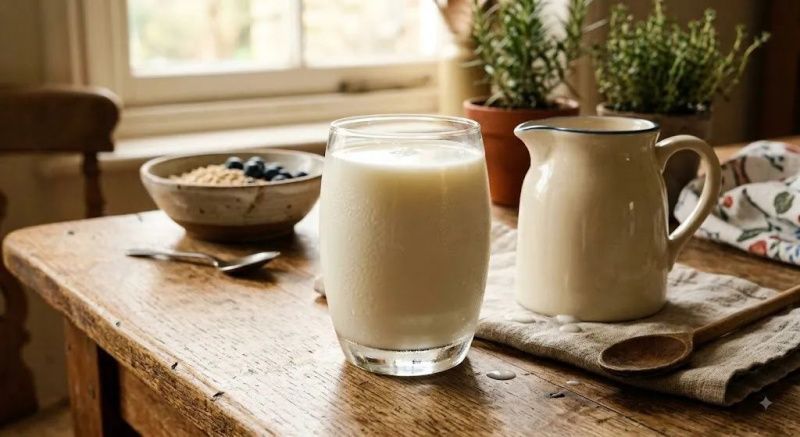
India remains the world’s largest goat-milk producer
Accounting for roughly 30% of worldwide output, the caprine sector delivers 3.32% of the country’s domestic milk supply through specialized indigenous breeds and supports smallholder and landless farming households.

India maintains its position as the world’s largest producer of goat milk, contributing approximately 30% of global output, according to data from the Food and Agriculture Organization (FAO) and national livestock reports. The latest Basic Animal Husbandry Statistics put goat milk’s share at 3.32% of India’s total domestic milk supply, reaffirming the caprine sector’s role as a vital economic engine and nutritional buffer for millions of smallholder and landless agrarian households across diverse agro-climatic zones.

The sector is based on a large, dispersed goat population and indigenous breeds adapted to local conditions. Jamunapari, Beetal, Jakhrana, Surti and Zalawadi are among the recognised dairy lines. They are associated with milk-solids production, reproductive performance and hardiness, according to the source.

Goat production is distributed across Rajasthan, Uttar Pradesh, Maharashtra, Bihar, Madhya Pradesh, Gujarat, Andhra Pradesh and Tamil Nadu. The animals are commonly kept within extensive grazing and mixed-farming systems. Compared with bovine dairy herds, goats require less investment in green fodder, water infrastructure and other intensive inputs.

In arid and semi-arid areas, goats can use lower-quality forage and continue to be kept where drought and heat stress affect conventional dairy operations. The source describes small ruminants as part of agricultural adaptation strategies in these regions, while also identifying their importance to household livelihoods and food supply.

Goat milk is entering formal dairy chains alongside household production. Its smaller fat globules, relatively higher share of medium-chain fatty acids (MTCs), and different casein structure from cow and buffalo milk have supported demand for specialist products. These include artisanal cheese, fermented curd, yoghurt, infant-nutrition products and packaged therapeutic beverages.

Despite its global dominance in volume, the industry remains constrained by informal collection, limited cold-chain aggregation and uneven access to organized veterinary services. The source says that greater commercial value would require a shift from fragmented backyard milking towards cooperative or farmer-producer-organization (FPO) collection systems, with prices linked to quality. It also identifies organized processing as an area of development as demand for specialized dairy proteins and pressure on water resources increase.
 

Sheep & Goat Milk Cheese Sector Expand Wisconsin Dairy

Wisconsin’s Sheep and Goat Cheese Sector Expands

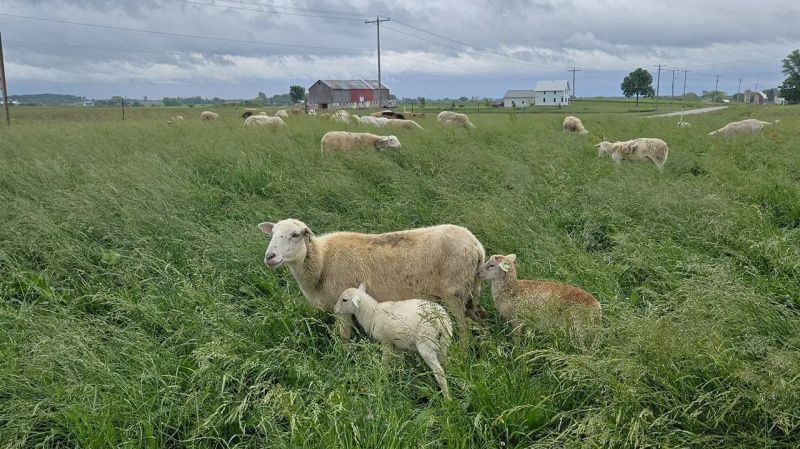
Wisconsin has expanded its role in US sheep and goat dairying as demand grows for specialty cheeses made from non-bovine milk. The company is leading the US state in sheep dairy operations with 14 specialized farms, while also ranking as the top producer of fluid goat milk, managing approximately 78,000 dairy goats, at about 18% of the US total. Recent tracking has recorded growth in both sectors, alongside larger regional herds and greater diversification at farm level.

Sheep and goat milk are used by specialty cheesemakers partly because of their distinct compositions and flavor characteristics. Sheep milk contains a high proportion of total solids content, producing cheeses described as rich, buttery and naturally nutty, particularly in semi-firm forms. Goat cheeses range from fresh and spreadable when young to more earthy and complex after ageing.

Regional creameries are processing these milks in small batches and selling the resulting products through farmers’ markets and specialty-food distributors. Blakesville Creamery is one example cited in the source. Online producer directories and appearances at regional fairs have also provided channels through which consumers can find farmstead sheep and goat cheeses.

Keeping small ruminants requires different facilities and routines from those used in cattle dairying. Sheep and goats are agile and fast-moving, requiring specialized handling areas, milking-parlour equipment adapted to their size, and herd-health procedures suited to the animals. The source also identifies milk yield efficiency and product value as factors attracting producers to the sector.

Sheep and goat dairies are being incorporated into plans for farm succession, land use and value-added agricultural businesses. Public-awareness efforts include the Alice in Dairyland program and breed associations dedicated to small ruminants. Wisconsin’s expanding processing base for non-bovine milk forms part of the state’s established specialty-cheese industry.


Canary Islands Goat Cheese Wins Top Award in 2026

José Miguel Ortega and Paqui Pérez, owners of the La Gloria cheese factory, proudly receive this top award.

Un queso que alcanza la gloria
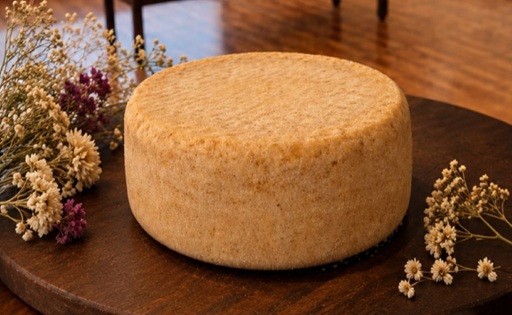
La Gloria, a dairy located in San Bartolomé de Tirajana on Gran Canaria, emerged as the top winner at the Agrocanarias 2026 competition. The dairy was recognized for its semi-cured goat cheese made from raw goat’s milk and coated with gofio, a traditional Canarian flour made from roasted grains.

The competition, which is officially organized within the Canary Islands – Canary Islands Institute of Agri-Food Quality (ICCA) aims to promote and acknowledge the quality of local dairy products. The recognition of La Gloria’s cheese underscores the competitive advantage that quality and artisanal craftsmanship bring to the table.

Gofio, an integral part of Canarian culinary heritage, is known for its distinctive flavor and nutritional benefits, which complements the creamy texture of goat cheese. All the cheeses made by La Gloria use raw milk from Majorera goats, The combination of goat cheese and gofio highlights the innovative blending of traditional ingredients in modern cheese-making practices.

The award for La Gloria not only honors the cheese itself but also emphasizes the significance of maintaining traditional production methods. This approach is seen as a critical factor in differentiating high-quality products in the competitive cheese market.

La Gloria’s success at the Agrocanarias 2026 competition serves as an example of how local producers can achieve recognition by focusing on quality and tradition. The dairy’s achievement is celebrated as a testament to the rich agricultural and culinary traditions of the Canary Islands.