Organic Goat Milk Now Costs 40% More

3 Tips for Tasting Goat’s Milk - Urban Farm Online
Organic goat milk has become known as “white gold” in the dairy market, offering goat producers a price premium of up to 40% over conventional milk. This significant increase is indicative of the growing consumer demand for natural, sustainable products with animal welfare guarantees. For goat farms, shifting to organic production is a promising strategy to enhance profitability and ensure long-term sustainability.

The price difference is due to the stringent requirements of organic certification, which include the use of chemical-free pastures, feed based on organic fodder, and a ban on preventative hormones and antibiotics, as well as ensuring free grazing and animal welfare. Despite potentially higher initial investments and operational costs, the premium price and growing market interest justify these challenges, making organic goat milk an appealing niche.

The demand is driven by factors such as increasing health awareness, the search for cow milk alternatives, and a preference for products with a lower environmental footprint. Consumers are willing to pay more for foods they perceive as purer and ethically produced. This trend not only benefits producers but also encourages the goat dairy industry to innovate and expand its range of organic offerings, from cheese to yogurt.

For goat dairy producers, this price differential represents a strategic opportunity to diversify business models and secure a more stable future. Organic goat farming is not only viable, but it is also evolving into a high-value segment within the dairy sector, attracting new investors and reinforcing farm specialization. It is a path that aligns profitability with environmental and social responsibilities.
 

Dairy Industry Fights Back On New ‘Dairy-Free Butter’ Label

Dairy Fights Back FDA Intervention Sought on 'Butter' Labels

A new product from Country Crock labeled as “dairy-free butter” has sparked growing concern within the dairy industry.

The dairy industry urges FDA action against ‘dairy-free butter’ labeling, citing federal standard violations and consumer confusion.

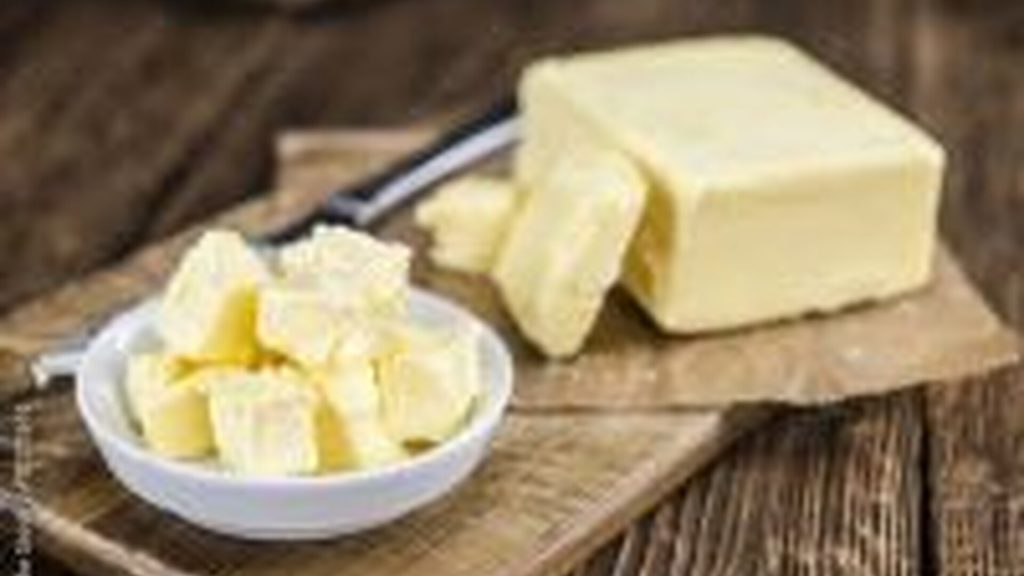
The dairy industry is mounting a strong pushback against the use of traditional dairy terms, particularly the word “butter,” on plant-based alternatives. The American Butter Institute (ABI) has formally requested the U.S. Food and Drug Administration (FDA) to take decisive action against products like Country Crock’s “dairy-free butter.” The ABI argues that such labeling is misleading and violates federal standards, which define butter as a product made exclusively from milk or cream.

This intensifies the ongoing struggle within the agribusiness sector to control the narrative around butter labeling. Christopher Galen, executive director of the ABI, contends that plant-based manufacturers are attempting to “leverage the premium perception of real dairy butter.” He labels the term “butter” for plant-based products as a “total oxymoron,” which could undermine the integrity of food labeling. The dairy industry’s argument hinges on federal identity standards, which legally define butter as a milk-derived product.

By allowing “fake butters” to use the term, they argue, the regulations are breached, and it potentially misleads consumers within the dairy product market. This debate is not new. The National Milk Producers Federation raised similar objections in 2019 regarding plant-based butter labeling. The dairy industry maintains that only milk-origin products should use dairy-specific terms.

The outcome of the FDA’s decision on this matter could greatly affect the competitive dynamics between dairy and non-dairy markets, highlighting the growing regulatory challenges faced by both traditional dairy producers and plant-based innovators.

Galen emphasized that labeling a non-dairy item as butter is a direct violation of federal standards. Galen remains hopeful that the Trump administration will give the complaint careful consideration and respond with greater sympathy to their concerns.


Fonterra Emphasizes New Zealand Dairy’s Natural Benefits


Fonterra, New Zealand’s leading dairy cooperative, showcases the advantages of grass-fed dairy in the expanding Chinese market for ‘yellow oil’ butter.

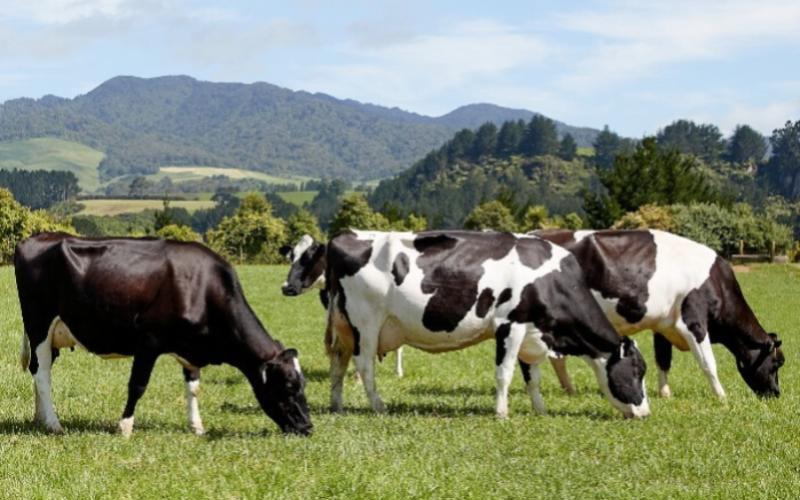
Fonterra is capitalizing on the growing Chinese demand for dairy products, emphasizing the unique qualities of New Zealand’s grass-fed dairy. The “yellow oil” butter, made from milk of grass-fed cows/goats, is particularly prized in China.
Fonterra Emphasizes New Zealand Dairy's Natural Benefits
Fonterra’s greater China CEO, Teh-han Chow, highlighted the benefits of sunshine, grass, and rainfall during the Bakery China expo in Shanghai, drawing attention to the natural production methods that distinguish New Zealand dairy. The expo, which is the largest of its kind, attracted nearly half a million attendees over four days to see the latest in foodservice innovations.

As the Chinese market continues to develop, Fonterra introduced a new commercial cooking cream specifically tailored for the mid-tier commercial baking sector. Moreover, with the Chinese government’s increase of the recommended daily serving of dairy from 300g to 500g, there is a push for dairy’s role as a nutrient source.

Fonterra is also seeking to reinforce its presence in China by keeping its consumer brands and promoting the sustainable, natural aspects of its products. This strategy not only targets China but extends to other Asian markets, using successful themes from previous promotions in South Korea. With high consumer expectations, Fonterra continues to position its offerings with an emphasis on quality and sustainability, aiming to secure loyalty and growth in one of the world’s largest markets.