More Than 35 Goats Killed In Animal Attack At Buckeye Dairy Farm
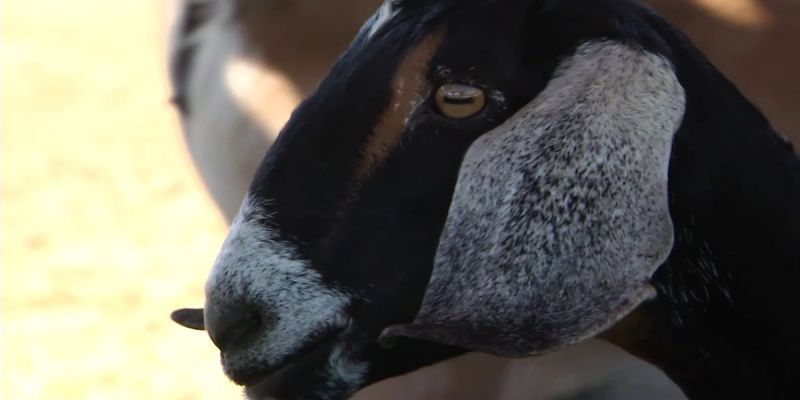
More than 35 goats died in an attack at Buckeye dairy farm
Owner says dogs killed a third of his herd. He may pause production until November after losing 30% of his herd.

BUCKEYE, Arizona – Wendell Crow, who runs Crow’s Dairy in Buckeye, said an overnight attack killed more than 35 goats. The animals were kept in a pen, where a newly dug opening was found along the farm’s fence. Crow said he believed dogs were responsible, although he said he had no proof identifying the animal involved.

The herd consists of goat milk. Crow’s Dairy supplies goat milk and cheese to restaurants, hotels and households across the Valley. Crow said the deaths amounted to roughly 30% of the farm’s animals, leaving about one-third of the herd buried after the incident.

“It’s so disheartening to have something like this happen when you put your life into it,” Crow said. He added that the loss had affected the operation because the surviving goats would produce far less milk.

Crow said production might have to shut down until around November. He said the business would not be rebuilt from the beginning, however, because it still had products in stock. Those supplies would continue to be sold to restaurants, he said.

The farm owner attributed the suspected attack to loose dogs in the Rainbow Valley area. Arizona law allows livestock owners to protect their herds from dogs that chase or attack them. Dog owners may face charges and penalties when their pets are responsible for such attacks.

Crow has moved the remaining goats to the front of the barn so they could be monitored more closely. He was also considering an electric fence to deter animals from digging beneath the boundary. The farm has operated since the early 1900s and was featured on Jamie’s Local Love in 2020 and on the programme’s podcast in 2024.
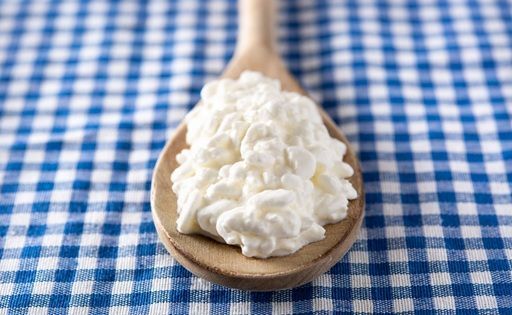
 

Goat Kefir Gains Popularity Amidst Fermented Dairy Boom

Goat Kefir Gains Popularity Amidst Fermented Dairy Boom
The global market for fermented foods and functional dairy products is undergoing rapid transformation driven by changing consumer demands. Within this landscape, goat kefir has transitioned from a niche or artisanal product to become one of the fastest-growing categories in large distribution chains.

Additionally, its nutritional benefits make it a sought-after alternative to traditional cow milk products.

Unlike conventional industrial yogurt, kefir involves a more intricate microbiological process. Its production requires the inoculation of kefir grains—a polysaccharide matrix where lactic acid bacteria and yeasts coexist symbiotically—initiating both lactic and alcoholic fermentation. Applying this process to goat milk significantly enhances the bioactive and nutritional properties of the final product.

Consumers are increasingly favoring goat milk due to its structural advantages that facilitate digestion. Goat milk naturally contains smaller fat globules and a higher proportion of medium-chain triglycerides (MCT), which allow for quicker and more efficient lipolytic action by human digestive enzymes. Furthermore, it has a distinct protein profile with lower concentrations of beta-casein A1 and alpha-S1-casein, which are often linked to intestinal inflammation and stomach sensitivity in individuals intolerant to conventional bovine dairy.

Goat milk also starts with slightly lower lactose levels than cow milk. During the kefir fermentation process, microorganisms consume and break down most of this sugar into lactic acid, making the final product suitable for those with mild to moderate lactose intolerance.

As goat kefir becomes more prominent in the market, its complex fermentation process and enhanced digestibility continue to attract health-conscious consumers looking for alternatives to traditional dairy products. Its very easy to incorporate into everyday life. It can be taken alone or combined with other foods, both for breakfast and in snacks or light dinners.