Sheep & Goat Milk Cheese Sector Expand Wisconsin Dairy
Wisconsin’s Sheep and Goat Cheese Sector Expands

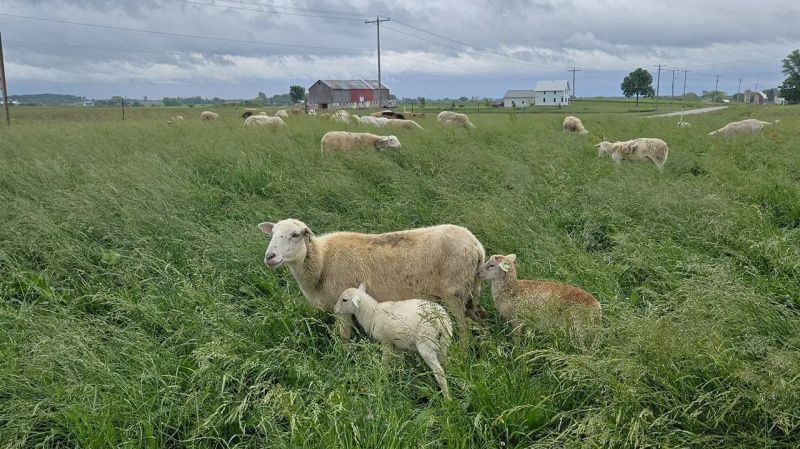
Wisconsin has expanded its role in US sheep and goat dairying as demand grows for specialty cheeses made from non-bovine milk. The company is leading the US state in sheep dairy operations with 14 specialized farms, while also ranking as the top producer of fluid goat milk, managing approximately 78,000 dairy goats, at about 18% of the US total. Recent tracking has recorded growth in both sectors, alongside larger regional herds and greater diversification at farm level.

Sheep and goat milk are used by specialty cheesemakers partly because of their distinct compositions and flavor characteristics. Sheep milk contains a high proportion of total solids content, producing cheeses described as rich, buttery and naturally nutty, particularly in semi-firm forms. Goat cheeses range from fresh and spreadable when young to more earthy and complex after ageing.

Regional creameries are processing these milks in small batches and selling the resulting products through farmers’ markets and specialty-food distributors. Blakesville Creamery is one example cited in the source. Online producer directories and appearances at regional fairs have also provided channels through which consumers can find farmstead sheep and goat cheeses.

Keeping small ruminants requires different facilities and routines from those used in cattle dairying. Sheep and goats are agile and fast-moving, requiring specialized handling areas, milking-parlour equipment adapted to their size, and herd-health procedures suited to the animals. The source also identifies milk yield efficiency and product value as factors attracting producers to the sector.

Sheep and goat dairies are being incorporated into plans for farm succession, land use and value-added agricultural businesses. Public-awareness efforts include the Alice in Dairyland program and breed associations dedicated to small ruminants. Wisconsin’s expanding processing base for non-bovine milk forms part of the state’s established specialty-cheese industry.
 

Canary Islands Goat Cheese Wins Top Award in 2026

José Miguel Ortega and Paqui Pérez, owners of the La Gloria cheese factory, proudly receive this top award.

Un queso que alcanza la gloria
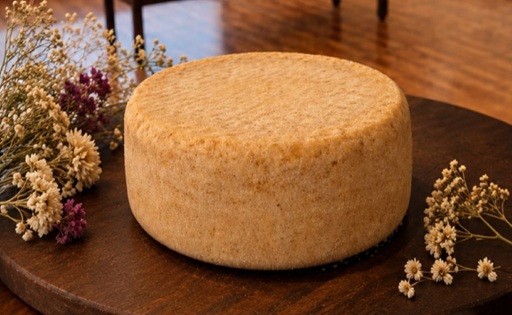
La Gloria, a dairy located in San Bartolomé de Tirajana on Gran Canaria, emerged as the top winner at the Agrocanarias 2026 competition. The dairy was recognized for its semi-cured goat cheese made from raw goat’s milk and coated with gofio, a traditional Canarian flour made from roasted grains.

The competition, which is officially organized within the Canary Islands – Canary Islands Institute of Agri-Food Quality (ICCA) aims to promote and acknowledge the quality of local dairy products. The recognition of La Gloria’s cheese underscores the competitive advantage that quality and artisanal craftsmanship bring to the table.

Gofio, an integral part of Canarian culinary heritage, is known for its distinctive flavor and nutritional benefits, which complements the creamy texture of goat cheese. All the cheeses made by La Gloria use raw milk from Majorera goats, The combination of goat cheese and gofio highlights the innovative blending of traditional ingredients in modern cheese-making practices.

The award for La Gloria not only honors the cheese itself but also emphasizes the significance of maintaining traditional production methods. This approach is seen as a critical factor in differentiating high-quality products in the competitive cheese market.

La Gloria’s success at the Agrocanarias 2026 competition serves as an example of how local producers can achieve recognition by focusing on quality and tradition. The dairy’s achievement is celebrated as a testament to the rich agricultural and culinary traditions of the Canary Islands.


Washington Allocates $13.8 Million Commerce Investment For Sustainable Dairy Digesters

Washington Allocates $13.8 Million for Sustainable Dairy Digesters
Funding will help reduce methane, wastewater from dairy manure and organic waste

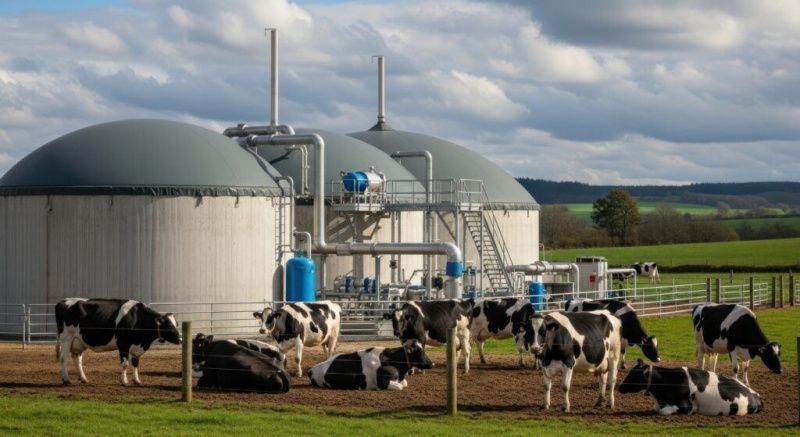
The Washington State Department of Commerce has announced an investment of $13.8 million in seven projects in five mostly rural counties, including one tribal community, to enhance sustainable dairy management. This funding, part of the Dairy Digester Program, aims to build, repair, and upgrade systems that capture methane from dairy manure and organic waste.

Anaerobic digesters, which transform manure and food waste into usable energy, play a crucial role in addressing environmental challenges in Washington, where almost 250,000 cow and goat milk animals reside. These systems not only reduce greenhouse gas emissions but also improve wastewater management and generate renewable energy and nutrient-rich fertilizer, providing environmental and economic benefits.

Sarah Clifthorne, interim director of the Department of Commerce, emphasized the dual benefits of these projects, stating, “These dairy projects cut emissions and boost the resiliency of rural communities. They’re a smart, practical way to deliver cleaner air and water, while creating new economic opportunities for Washington farmers.” Over the next decade, these initiatives are projected to reduce greenhouse gas emissions by over 1 million metric tons of carbon dioxide and capture more than 7,400 tons of waste runoff.

The projects include a $2.53 million anaerobic digester construction in Franklin County by 5D RNG LLC and a $4.65 million upgrade of existing digester facilities by the Tulalip Tribes of Washington in Snohomish County. Other projects involve upgrading outdated systems, constructing new digesters, and implementing nutrient recovery technologies.

Funding for these projects was sourced from the Climate Commitment Act (CCA) capital funding and the Clean Energy Fund. An additional $9.7 million has been allocated for future dairy digester projects in the 2026 supplemental budget.

The program also benefited from community feedback through a Request for Information and public listening sessions, shaping its focus on cost-effective methods like cover-and-flare projects that are suitable for smaller dairies. These projects are aligned with Washington’s agricultural conditions and aim to minimize transportation impacts

Additionally, $500,000 has been appropriated to the Washington State University Energy Program to provide technical expertise and support to these projects. This investment is expected to enhance the long-term sustainability of on-farm digesters and connect producers with necessary research and resources.