More Than 35 Goats Killed In Animal Attack At Buckeye Dairy Farm
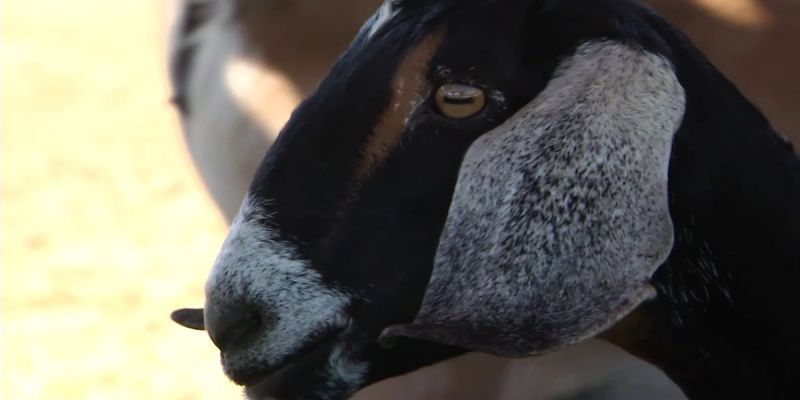
More than 35 goats died in an attack at Buckeye dairy farm
Owner says dogs killed a third of his herd. He may pause production until November after losing 30% of his herd.

BUCKEYE, Arizona – Wendell Crow, who runs Crow’s Dairy in Buckeye, said an overnight attack killed more than 35 goats. The animals were kept in a pen, where a newly dug opening was found along the farm’s fence. Crow said he believed dogs were responsible, although he said he had no proof identifying the animal involved.

The herd consists of goat milk. Crow’s Dairy supplies goat milk and cheese to restaurants, hotels and households across the Valley. Crow said the deaths amounted to roughly 30% of the farm’s animals, leaving about one-third of the herd buried after the incident.

“It’s so disheartening to have something like this happen when you put your life into it,” Crow said. He added that the loss had affected the operation because the surviving goats would produce far less milk.

Crow said production might have to shut down until around November. He said the business would not be rebuilt from the beginning, however, because it still had products in stock. Those supplies would continue to be sold to restaurants, he said.

The farm owner attributed the suspected attack to loose dogs in the Rainbow Valley area. Arizona law allows livestock owners to protect their herds from dogs that chase or attack them. Dog owners may face charges and penalties when their pets are responsible for such attacks.

Crow has moved the remaining goats to the front of the barn so they could be monitored more closely. He was also considering an electric fence to deter animals from digging beneath the boundary. The farm has operated since the early 1900s and was featured on Jamie’s Local Love in 2020 and on the programme’s podcast in 2024.
 

France & Morocco Launch Livestock Cooperation Project Covering Goat Milk Production

France and Morocco Launch Livestock Cooperation Project Covering Goat Milk Production
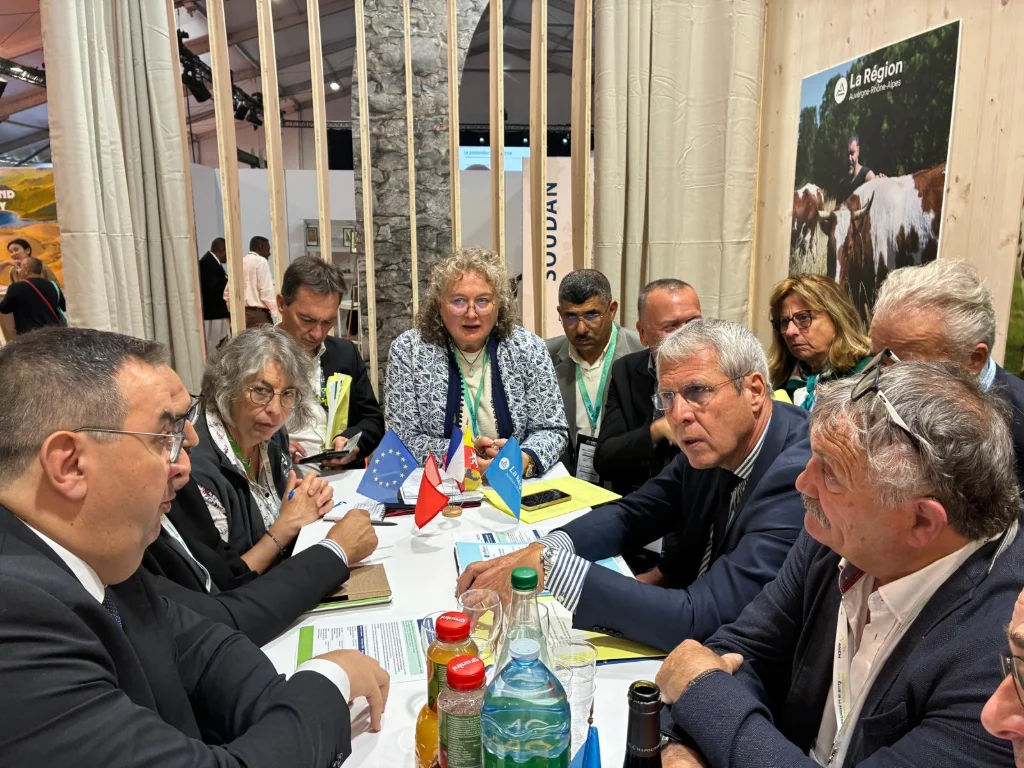
At Sommet de l’Élevage in France, representatives of French and Moroccan organizations signed a protocol to launch a two-year cooperation project in sheep and goat farming. The program includes measures to increase the productivity of a goat dairy farm and modernize milk processing in Morocco.

The agreement was signed by Races Ovines des Massifs, the Auvergne-Rhône-Alpes region, the regional chamber of agriculture, and Morocco National Sheep and Goat Association (ANOC). The project is funded by the Directorate General of the Treasury of France’s Ministry of Economy and Finance.

An audit of goat milk production is planned at the Bellota pilot station, along with the development of measures to increase productivity. At the Ajbane processing facility, the project provides for modernization and stronger quality control of dairy products.

Other areas of work include creating a mobile sheep artificial insemination unit, a digital tool for sheep and goat insemination centers, improving the management of feed resources, and designing livestock buildings suited to the local climate and animal welfare requirements.


Sheep & Goat Milk Cheese Sector Expand Wisconsin Dairy

Wisconsin’s Sheep and Goat Cheese Sector Expands

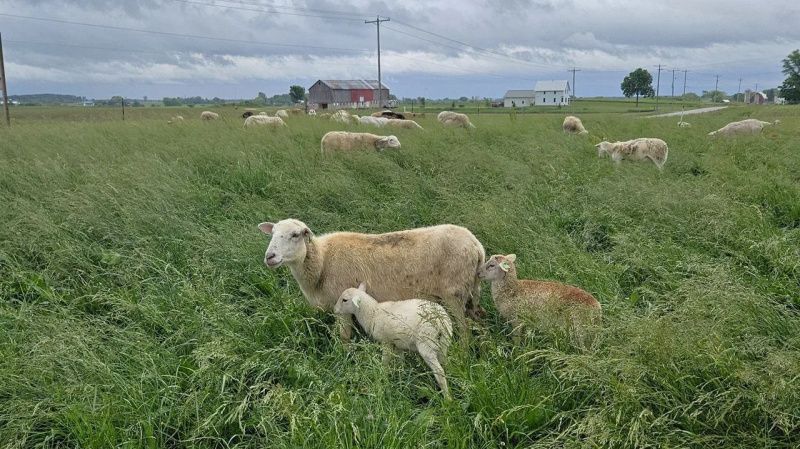
Wisconsin has expanded its role in US sheep and goat dairying as demand grows for specialty cheeses made from non-bovine milk. The company is leading the US state in sheep dairy operations with 14 specialized farms, while also ranking as the top producer of fluid goat milk, managing approximately 78,000 dairy goats, at about 18% of the US total. Recent tracking has recorded growth in both sectors, alongside larger regional herds and greater diversification at farm level.

Sheep and goat milk are used by specialty cheesemakers partly because of their distinct compositions and flavor characteristics. Sheep milk contains a high proportion of total solids content, producing cheeses described as rich, buttery and naturally nutty, particularly in semi-firm forms. Goat cheeses range from fresh and spreadable when young to more earthy and complex after ageing.

Regional creameries are processing these milks in small batches and selling the resulting products through farmers’ markets and specialty-food distributors. Blakesville Creamery is one example cited in the source. Online producer directories and appearances at regional fairs have also provided channels through which consumers can find farmstead sheep and goat cheeses.

Keeping small ruminants requires different facilities and routines from those used in cattle dairying. Sheep and goats are agile and fast-moving, requiring specialized handling areas, milking-parlour equipment adapted to their size, and herd-health procedures suited to the animals. The source also identifies milk yield efficiency and product value as factors attracting producers to the sector.

Sheep and goat dairies are being incorporated into plans for farm succession, land use and value-added agricultural businesses. Public-awareness efforts include the Alice in Dairyland program and breed associations dedicated to small ruminants. Wisconsin’s expanding processing base for non-bovine milk forms part of the state’s established specialty-cheese industry.