Study: Bamboo Leaf Flavonoids Reduce Diarrhoea & Improve Immune Markers In Goat Kids
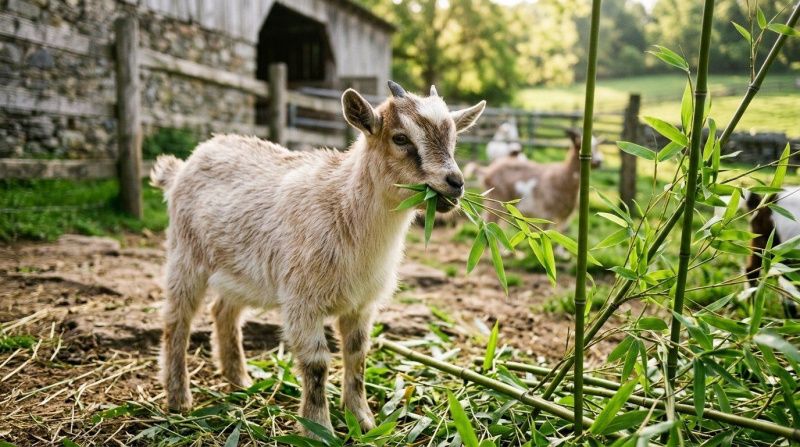
Study: bamboo leaf flavonoids reduce diarrhoea and improve immune markers in goat kids
Dietary bamboo leaf flavonoids significantly reduced diarrhoea frequency in young goats compared with an unsupplemented control, according to research published in Animal Microbiome in 2026.

The study, led by research team including Yapeng Hu and Jianbo Cheng, tested the supplement in 64 goat kids. At enrolment, the animals were ten days old and weighed an average of 3.77 ± 0.60 kg. Random allocation created four feeding groups: a milk-only control and three groups given bamboo leaf flavonoids at 30, 60 or 120 mg/kg of body weight. The researchers examined blood-based measures of immunity, colon structure, microbial communities, metabolites and the activity of genes involved in maintaining the intestinal barrier.

The intermediate-dose group, designated MBLF, had significantly higher blood concentrations of the cytokines interleukin-2 and interleukin-4 than the control animals. These cytokines play important roles in regulating immune responses. Both cytokines help regulate immune responses. Serum immunoglobulin G, a component of humoral immunity, was also higher in this group. Measurements of immunoglobulins M and A, however, showed no significant differences. Nor were there significant differences between the supplemented groups and controls in concentrations of interleukin-6, interleukin-1? or tumour necrosis factor-?. The changes therefore varied across the immune measures examined.

Animals receiving the intermediate dose also had longer colons than those in each of the other three groups. Examination of tissue sections found a comparatively orderly colonic structure in the MBLF animals. The researchers linked these observations to possible benefits for intestinal development. Together with the immune measurements, the anatomical findings were among the responses highlighted for the 60 mg/kg treatment when the researchers compared the three supplementation levels.

Analysis of colonic metabolites identified significant changes in their composition following supplementation. Metabolites associated with the KEGG pathway for flavone and flavonol biosynthesis became relatively more abundant. Changes in the microbial community accompanied these metabolic shifts, including an increase in the relative abundance of dominant bacterial groups associated with a healthy intestinal environment. The researchers suggested that the altered microbial and metabolic profiles could help support immune regulation and anti-inflammatory responses in goat kids.

The study also found significantly increased expression of four genes in supplemented animals’ colon tissue: ZO-1, claudin-1, claudin-2 and occludin. These genes are associated with tight junctions structures that regulate the passage of substances across the intestinal lining. The intestinal barrier helps restrict the passage of harmful substances while supporting digestive and immune functions. The researchers interpreted the gene-expression results as evidence that the supplement could strengthen regulation of this barrier.

The work examined the interaction between the host animal and its intestinal microorganisms during early development, a period when young goats are vulnerable to digestive disturbances. Gut microorganisms contribute to nutrient metabolism, immune development and maintenance of the intestinal environment. The researchers provide further evidence of the identified plant-derived dietary compounds as a potential means of influencing those processes through nutritional management. They suggested that bamboo leaf flavonoids could support intestinal development, immune responses and digestive stability in young ruminants.

The paper appeared under the title “Bamboo leaf flavonoids modulate the colonic host-microbiome interface in goat kids to enhance immune function”. Its findings highlighted dosage as a consideration in evaluating the additive, given the responses recorded at the intermediate level. The researchers said further work would be needed to determine optimal supplementation rates, assess longer-term effects and production benefits, and establish commercial feasibility across different farming conditions.


"As an Amazon Associate, I earn from qualifying purchases"

Wondershare Filmora 15 Banner

Wondershare FilmoraGo

Leave a Comment