10 Best American Goat Cheese Producers
01) Jasper Hill Farm
Jasper Hill Farm is a cheese producer located in Greensboro, Vermont. The company specializes in creating high-quality cheeses with a focus on local production and sustainable agricultural practices. Jasper Hill provides aging and affinage services and develops cheeses that showcase the dairy culture of Vermont.
They work closely with small local dairies to produce a variety of cheeses, incorporating unique aging environments to enhance flavor and texture.
BEST Jasper Hill Farm Cheeses: Highlander
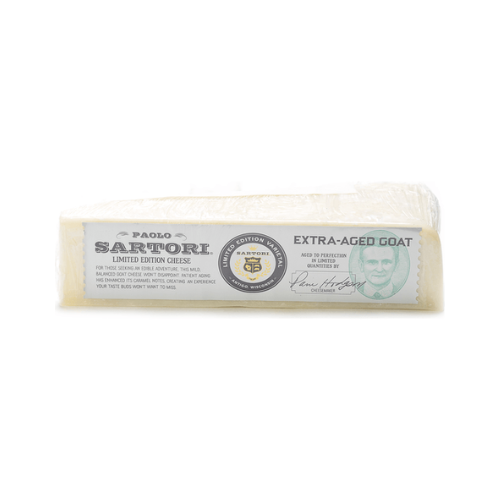
02) Sartori Cheese
Sartori Cheese is a brand specializing in the production of high-quality cheeses with a particular emphasis on artisanal and hand-crafted products. Founded in a small business in Wisconsin, Sartori quickly became known for its innovative production techniques and unique, rich flavors of cheese.
The brand offers a wide range of cheeses, including various types of hard cheeses as well as cheeses with added spices and herbs, enhancing every bite. Sartori is renowned for using the finest milk from local farms in its production process, creating cheeses that not only meet high taste standards but also provide a richness of textures and aromas that develop over time.
BEST Sartori Cheese Cheeses: Limited Edition Extra-aged Goat, SarVecchio Parmesan
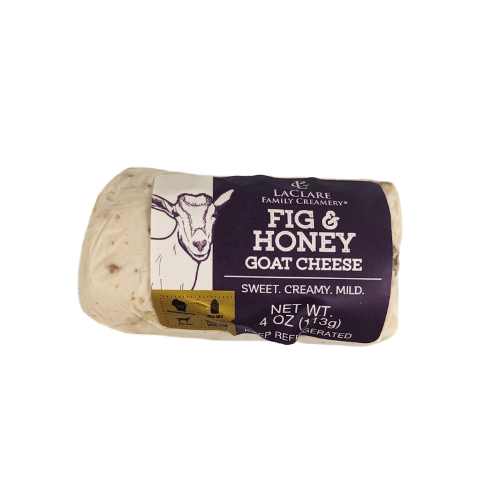
03) LaClare Creamery
LaClare Creamery is a family-owned goat cheese producer known for its passion for creating high-quality, distinctly flavorful goat cheeses. Located in Malone, Wisconsin, LaClare Creamery is committed to producing premium cheeses from fresh, clean goat milk.
The company blends traditional cheesemaking techniques with modern innovation to craft cheeses with rich, complex flavors. Their product range includes a variety of goat cheeses, from creamy chèvres to hard cheeses, all made with the utmost care and attention to detail.
BEST LaClare Creamery Cheeses: Fig & Honey Goat Cheese, Chipotle Honey Goat Cheese, Cave Aged Chandoka
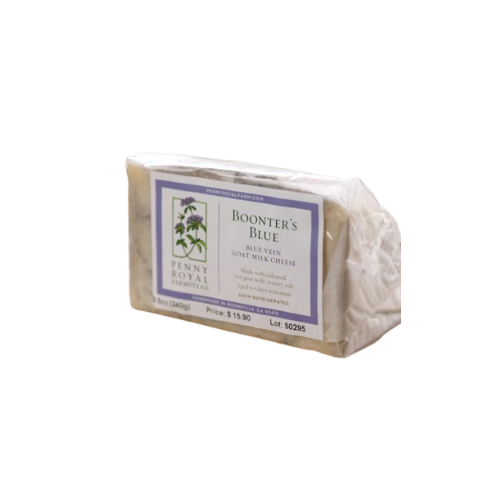
04) Pennyroyal Farm
Pennyroyal Farm is a farm located in Boonville, California, offering a combination of goat dairy products, wine, and farm experiences. The farm is known for its creamery, producing artisan cheeses, and its vineyard, which grows grapes for estate wines.
The farm also hosts tasting rooms and farm tours, providing visitors with a hands-on farm-to-table experience. Pennyroyal Farm prides itself on sustainability, offering unique events and special pairings featuring estate wines and cheeses. Their cheeses are crafted using milk from their herd of Nigerian Dwarf goats and Alpine goats, which are known for their high-quality milk and distinct flavor profiles.
BEST Pennyroyal Farm Cheeses: Boonter’s Blue
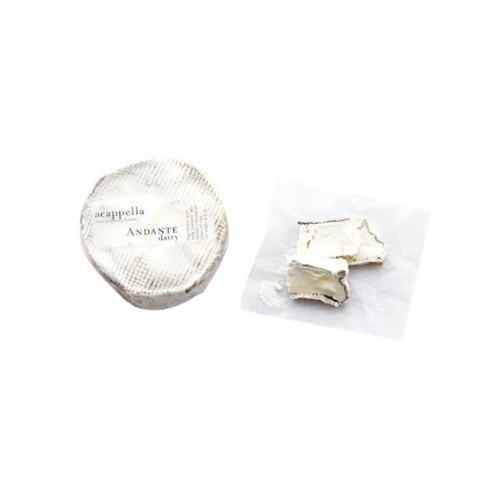
05) Andante Dairy
Andante Dairy is a family-owned dairy farm located in California, specializing in the production of high-quality artisan cheeses. Founded by Mary and David G. Owens, its mission has been to create cheeses that not only captivate the taste but also reflect the uniqueness of California milk.
Andante Dairy offers cheeses made from both cow’s and goat’s milk, with all cheeses being handcrafted with care and precision. The company takes pride in its small, controlled production processes, combining traditional techniques with innovation.
This approach allows them to create cheeses with perfect textures and rich, distinctive flavors that reflect the quality of the milk they use.
BEST Andante Dairy Cheeses: Acapella
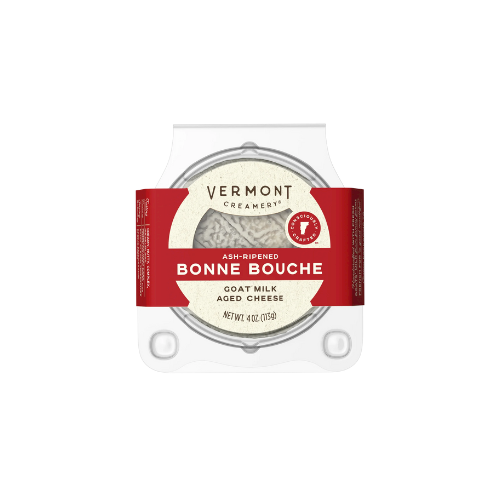
06) Vermont Creamery
Originally focused on making artisanal cheese and butter, the company has become well-known for its high-quality dairy products, including goat cheese, cultured butter, and crème fraîche. Vermont Creamery sources its milk from local family farms, ensuring sustainable and ethical practices.
The creamery has been a pioneer in the American artisan cheese industry and was acquired by Land O’Lakes in 2017, a move that helped it expand its reach and continue its growth.
BEST Vermont Creamery Cheeses: Bonne Bouche, Bijou, Vermont Goats’ Milk Feta
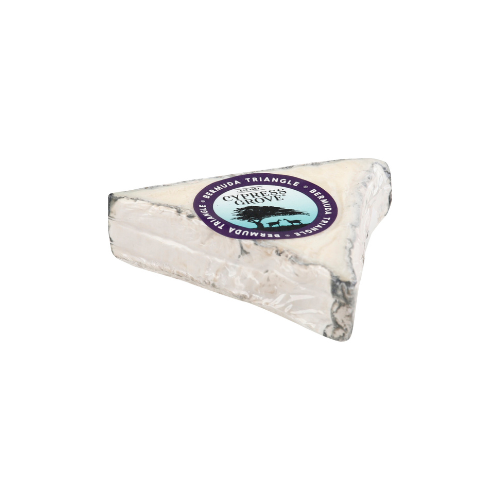
07) Cypress Grove
Cypress Grove is a cheese producer that specializes in goat cheese varieties. The company began with a few goats to provide milk for her children. Cypress Grove gained popularity with its flagship product, Humboldt Fog, a soft-ripened cheese with a distinctive layer of edible ash.
The company has expanded its product line to include other types of fresh and aged goat cheeses.
BEST Cypress Grove Cheeses: Bermuda Triangle, Herb Chevre, Fromage Blanc
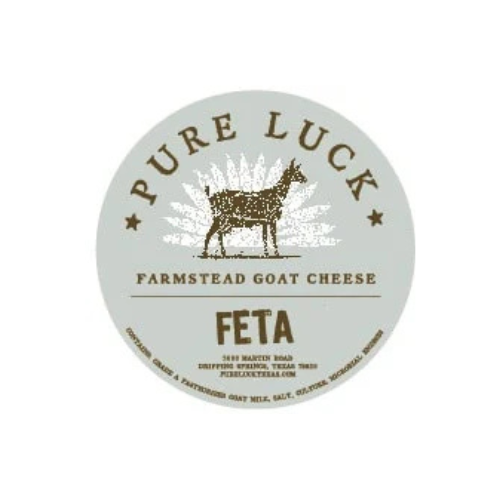
08) Pure Luck
Pure Luck is a cheese producer located in Dripping Springs, Texas. This family-run farm specializes in handmade goat cheeses, focusing on sustainable farming practices. They produce a variety of cheeses, including fresh chevre, feta, and several aged varieties.
Pure Luck also operates as a working farm, raising certified organic herbs and flowers.
BEST Pure Luck Cheeses: Feta, Basket Molded Chevre, Hopelessly Bleu
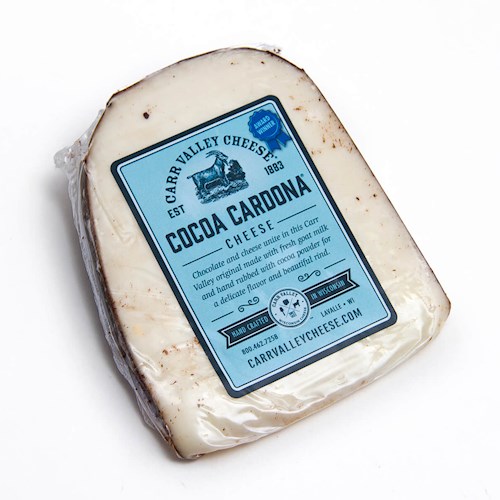
09) Carr Valley Cheese
Carr Valley Cheese is a family-owned cheese company located in Wisconsin, known for its traditional cheesemaking techniques passed down through generations. It produces a wide variety of cheeses, including artisanal and specialty cheeses, that have won numerous national and international awards.
The company operates multiple retail stores across Wisconsin.
BEST Carr Valley Cheese Cheeses: Cocoa Cardona, Billy Blue, Snow White Goat Cheddar
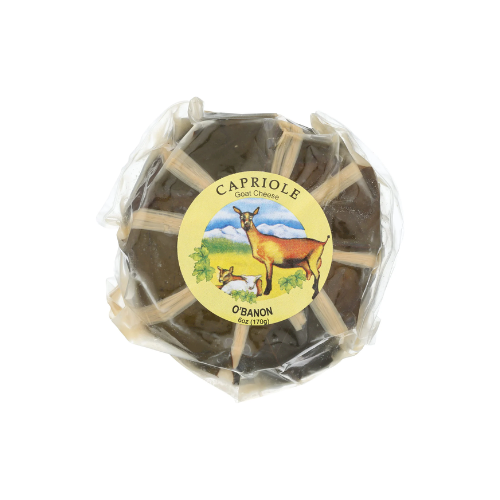
10) Capriole
Capriole is a cheese producer located in Greenville, Indiana, specializing in artisan goat cheeses. The company was founded by Judy Schad in 1978. Capriole produces a variety of cheese types, focusing on small-batch production and traditional methods.
Their product line includes fresh chevres, aged cheeses, and several award-winning selections.
BEST Capriole Cheeses: O’banon, Sofia, Mont St. Francis