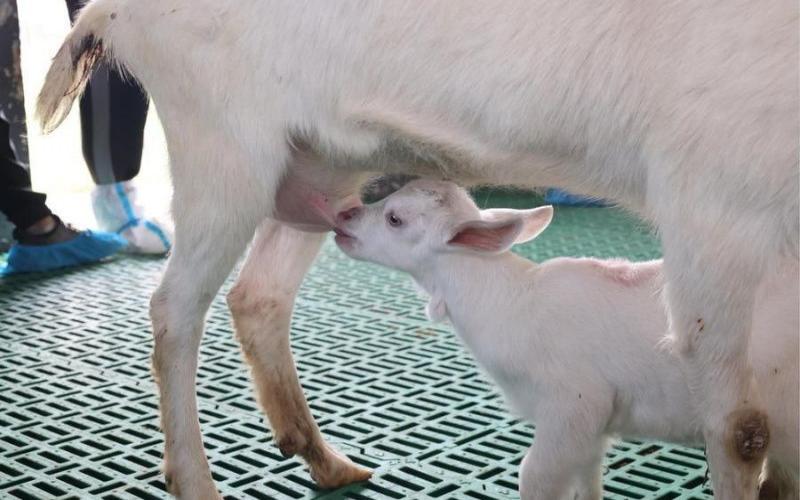
Goats have been valuable companions to humans for centuries, providing not only companionship but also a rich source of milk. For those seeking the finest milk production from their goat herd, it’s crucial to choose the right breed.
In this updated comprehensive guide, we explore the top 10 goat breeds renowned for their exceptional milk production, backed by accurate statistics.
- Saanen: The Queen of Dairy Goats
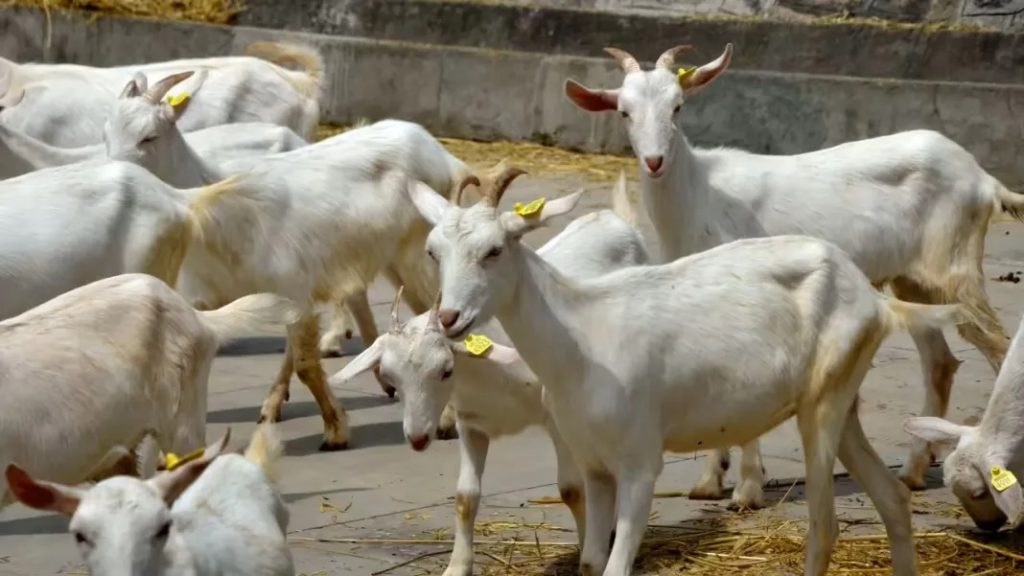
Saanen goats, often referred to as the “Holsteins of the dairy goat world,” originate from the Saanen Valley in Switzerland. These strikingly white goats are known for their high milk production, making them a popular choice for dairy farmers worldwide.
Saanens are remarkable for their adaptability to various climates, making them suitable for both traditional and intensive farming operations.
With an average milk production ranging from 1,134 to 1,360 liters per lactation and a butterfat content between 3.5% and 4%, Saanen goats consistently contribute to the dairy industry’s success. Their amiable temperament and ease of handling further solidify their status as one of the premier dairy goat breeds.
Saanen goats are well-suited for both commercial and small-scale farming ventures. The quality of their milk, coupled with their docile nature, makes them an excellent choice for those new to dairy goat farming.
Additionally, their white coats and friendly disposition often make them favorites among 4-H enthusiasts and hobby farmers. When considering the Saanen breed, one is not just investing in prolific milk production but also in a cooperative and gentle partner for a successful and enjoyable farming experience.
- Alpine: Versatile and Prolific Milkers
Originating from the French Alps, Alpine goats are celebrated for their versatility and adaptability to a range of climates. Their distinct coat patterns, which can vary widely, add a touch of individuality to each Alpine goat.
With an average milk production ranging from 946 to 1,360 liters pounds per lactation and a butterfat content of 3% to 4%, Alpine goats are a reliable source of high-quality milk. Farmers appreciate Alpines not only for their milk but also for their hardiness and ability to thrive in diverse environmental conditions.
Alpine goats are known for their independent and curious nature, making them well-suited for free-ranging systems. Their adaptability to different management styles, from pasture-based to barn-intensive operations, underscores their reputation as versatile dairy goats. With their striking appearance and reliable performance, Alpine goats remain a top choice for those seeking a dependable and adaptable dairy breed.
- Nubian: The All-Purpose Dairy Breed
Nubian goats, easily recognizable by their distinctive long ears and convex facial profile, have earned a reputation as an all-purpose dairy breed. Originating from Africa, Nubians have adapted well to various climates worldwide.
Beyond their unique appearance, Nubians are valued for their rich, high-butterfat milk, with an average production ranging from 681 to 1,134 liters per lactation and a butterfat content between 4% and 5%. Their friendly and sociable nature makes them a favorite among farmers, providing not only milk but also companionship.
While they may have a more vocal demeanor compared to other breeds, their charming personalities make them a joy to work with on the farm.
Nubians’ versatility extends beyond just dairy; they are also well-regarded for meat production. Their adaptability to various management styles and their ability to thrive in both large-scale operations and smaller homesteads make them a valuable addition to any goat herd.
With their striking appearance, charming disposition, and excellent milk production, Nubian goats continue to be a top choice for those seeking a well-rounded and reliable dairy breed.
- LaMancha: Compact and Efficient
LaMancha goats, characterized by their distinctively short ear pinnae, hail from Spain but were developed in the United States. Their compact size and efficient milk production have made them a favorite among dairy farmers.
With an average milk production ranging from 681 to 1,134 liters per lactation and a butterfat content of 3.5% to 4%, LaManchas provide a solid contribution to the dairy industry.
Their calm demeanor and adaptability to various climates and management practices make them an excellent choice for both commercial dairy operations and small-scale farming.
LaMancha goats are known for their high-quality milk, and their mild temperament makes them easy to handle, particularly for novice farmers.
Their efficient feed conversion and adaptability to confinement or pasture-based systems further contribute to their appeal. With LaMancha, dairy farmers can enjoy the benefits of a reliable milk producer that not only meets but often exceeds expectations, making them a staple in the diverse landscape of dairy goat farming.
- Toggenburg: Oldest Known Dairy Goat Breed
Toggenburg goats, hailing from the Toggenburg region in Switzerland, hold the distinction of being the oldest known dairy goat breed. Renowned for their resilience and adaptability, Toggenburgs are well-suited to various climates and management practices.
With an average milk production ranging from 946 to 1,360 liters per lactation and a butterfat content of 2.9% to 3.8%, Toggenburgs contribute both quantity and quality to the dairy industry. Their distinctive coat, ranging from light fawn to dark chocolate, adds visual appeal to any goat herd.
Toggenburg goats are recognized for their calm and gentle nature, making them easy to handle for farmers of all experience levels.
Their ability to thrive in challenging conditions and their excellent milk production make them an asset to both traditional and modern dairy farming. Toggenburgs, with their rich history and reliable performance, continue to be a favored choice for those seeking a hardy and productive dairy goat breed.
- Oberhasli: The Chamois-Colored Gem
Named after the Oberhasli district in Switzerland, Oberhasli goats are prized for their unique chamois-colored coats. Beyond their aesthetic appeal, Oberhaslis are known for their high milk production and adaptable nature.
With an average milk production ranging from 946 to 1,134 liters per lactation and a butterfat content of 3% to 4%, Oberhaslis provides a valuable contribution to the dairy industry. Their friendly disposition and cooperative nature make them a joy to work with on the farm.
Oberhasli goats are well-suited to various management styles, from pasture-based systems to barn-intensive operations. Their compact size and efficient feed conversion add to their appeal for both small-scale and commercial dairy farming.
- Sable: A Breed of Many Colors
Sable goats, known for their richly colored coats, are prized for their high milk production and striking appearance. Originating from the United States, Sables have gained popularity for their efficiency in converting feed into milk.
With an average milk production ranging from 681 to 1,134 liters per lactation and a butterfat content of 3.5% to 4%, Sables provide a substantial contribution to the dairy industry. Their various coat colors, including shades of black, brown, and gray, add diversity to goat herds.
Sable goats are recognized for their calm temperament and adaptability to different environments. Whether raised in extensive pasture settings or more confined spaces, Sables demonstrate their versatility in various management practices. Their unique coat colors, coupled with their excellent milk production, make Sables a standout choice for farmers seeking both visual appeal and productivity in their dairy goat herd.
- Nigerian Dwarf: Small Stature, Big Milk
Despite their diminutive size, Nigerian Dwarf goats pack a powerful punch when it comes to milk production. Originating from West Africa, these goats are valued for their small stature, friendly demeanor, and rich milk.
With an average milk production ranging from 378 to 567 liters per lactation and impressive butterfat content of 6% to 10%, Nigerian Dwarfs offer a concentrated source of high-quality milk. Their adaptability to diverse climates and management systems makes them an attractive choice for a wide range of farmers.
Nigerian Dwarf goats are often favored by small-scale farmers, homesteaders, and those with limited space. Their manageable size, coupled with their playful and social nature, makes them ideal for families and hobby farmers.
While they may be small in stature, Nigerian Dwarf goats make a big impact in the dairy industry, providing a rich and creamy milk source that is highly sought after by discerning consumers.
9. Golden Guernsey:
The Guernsey goats are sometimes called olden Guernsey. As the name suggests, the goat is known for its gorgeous golden coloring.
The Guernsey goat breed is the smallest of medium-sized dairy goats. They generally produce 3.16 kg of milk that is 3.72% fat. It is not legal to import Golden Guernsey goats into the United States.
10. Jamnapari: Heritage Milk Producers
The Jamnapari goat, originating from the British Isles, is a breed that combines heritage charm with excellent milk production. Known for their distinctive golden coats, these goats offer more than just visual appeal.
With an average milk production ranging from 473 to 946 liters per lactation and a butterfat content of 4% to 5%, Golden Guernseys and Jamnapari contribute a rich and flavorful milk source to the dairy industry.
Their small to medium size and efficient feed conversion makes them an asset to a variety of farming operations.
Conclusion:
Choosing the right goat breed is paramount for successful milk production on any farm. The breeds mentioned above offer a range of options, each with unique characteristics and contributions to the dairy industry. Whether you prioritize high milk yield, butterfat content, or adaptability, there’s a perfect goat breed for every farmer. Consider your specific needs, climate, and resources to make an informed decision that will lead to a thriving and productive goat herd.