U.S. Dairy Exports to Malaysia Surge Through New Trade Agreement
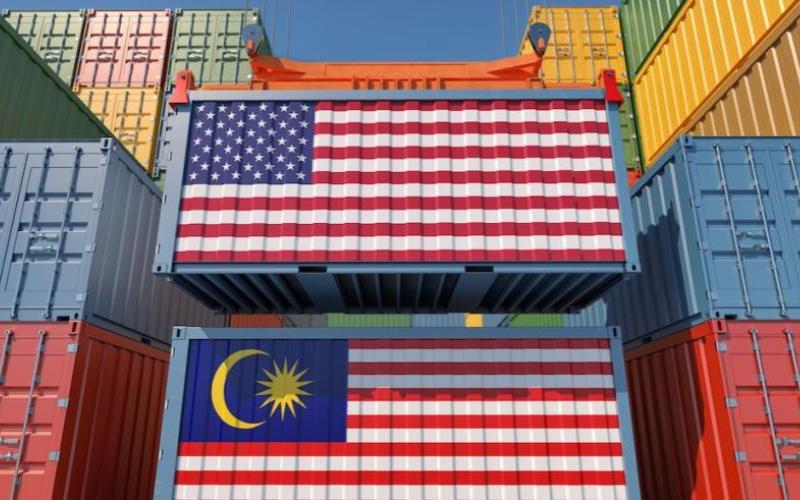
U.S. Dairy Exports to Malaysia Surge Amid New Trade Agreement
U.S. dairy exports to Malaysia are gaining significant momentum following a recent trade mission led by Undersecretary for Trade and Foreign Agricultural Affairs Luke Lindbergh. The mission has fostered discussions on dairy market access, especially under President Trump’s new trade agreement with Malaysia. This agreement addresses previous challenges related to Halal certification, a critical requirement for imported food products in Malaysia, a predominantly Muslim-majority country.

Lindbergh indicated that the outlook for U.S. dairy exports, particularly cheese, is promising. He noted, “Our cheese exports are actually up 245 percent over the last year, 23 percent on dairy specifically overall.” This surge underscores the growing consumer demand for U.S. dairy products and presents expanding opportunities for American dairy farmers and processors.

Historically, Halal certification has been a challenge in the U.S.–Malaysia dairy trade, but the new trade agreement aims to streamline certification procedures. Lindbergh explained that this change reduces friction for U.S. dairy exporters and improves consistency and predictability in market access.

The agreement’s provisions include lowering tariffs and reducing regulatory barriers, which better positions U.S. dairy producers to compete effectively in the Malaysian market. Lindbergh expressed optimism, stating, “We’re very optimistic. We see a very bright future and already great momentum for dairy in Malaysia.”

With rising demand for products like cheese and other value-added dairy items, Malaysia is becoming a key growth market in Southeast Asia. This growth is part of a broader strategy to expand U.S. agricultural exports and open new opportunities for American farmers and agribusinesses.

Overall, the trade mission and the subsequent agreement highlight the potential for U.S. dairy exports to become a major success story within the U.S.–Malaysia trade relationship, with strong growth, improved access, and long-term potential firmly in place.
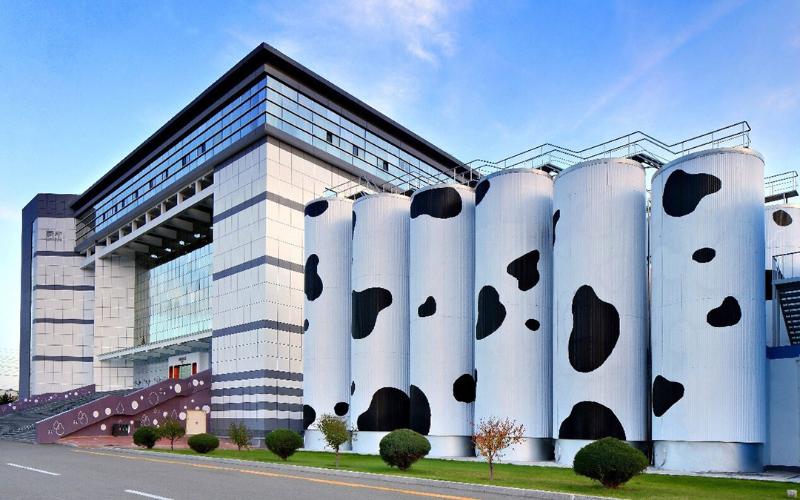


China’s Dairy Industry Stabilizes with Mega-farms Dominate Production

China's Dairy Industry Stabilizes as Mega-farms Dominate Production
The United States Department of Agriculture (USDA) projects that China’s dairy industry will reach a phase of structural stability by 2026. This follows a period of volatility characterized by declining milk prices since 2022. As a result, smaller dairy producers have exited the market, leading to a consolidation of production within larger industrial operations.

According to the USDA’s office in Beijing, mega-farms now account for over 68% of China’s total milk production. This marks an increase of more than 2% compared to the previous year. The consolidation trend reflects a broader global pattern where operations with economies of scale dominate markets with compressed profit margins.

China’s local dairy production is gradually reducing its historic dependency on imports. Although fluid milk imports are expected to decline slightly by 2026, the production of skim milk powder is projected to increase, maintaining current import levels. Despite this progress, China remains reliant on foreign suppliers for specialized dairy products where domestic competitiveness is still developing.

The USDA also forecasts a slight growth in both the production and importation of butter and cheese. Meanwhile, imports of whey and derivatives are expected to remain strong. These projections highlight strategic opportunities for global exporters, as China’s domestic market continues to evolve.

Overall, the shift towards mega-farm dominance and increased local production are reshaping the dairy supply chain in China, with implications for technology, bovine genetics, feed, and specialized veterinary services. This transformation is steering China’s dairy industry towards efficiency and biosecurity standards comparable to leading Western dairy regions.


Global Milk Glut Threatens Dairy Market Stability


Rising output from the EU, US and New Zealand are putting downward pressure on commodity prices and creating market uncertainty, according to an August 2025 report.

Global dairy commodity prices are under increasing pressure as milk output rises across key producing regions, according to an August 2025 report by Maxum Foods. This dynamic is weakening market fundamentals and product values, creating a challenging environment for producers and processors. While the dairy agribusiness sector saw some price strength earlier in the year, the current trend indicates a shift toward a more bearish market sentiment driven by expanding supply.

The report highlights specific regional trends contributing to the global surplus. In the European Union, earlier supply constraints are now easing, even as a hot, dry summer threatens future feed availability. Meanwhile, the United States is seeing strong milk and cheese production that is outpacing weak domestic demand and an inadequate export growth rate. This combination is leading to a buildup of inventories and eroding values.

New Zealand, a pivotal player in the international dairy trade, is also experiencing favorable production conditions ahead of its new season. Its milk output is projected to grow slightly above last year’s already strong results. This increased supply, alongside the output from the EU and the US, is a primary factor in the global market’s shift. The report notes that while global trade continues to expand, there’s growing pushback against high prices, as evidenced by New Zealand’s export trends.

The situation in Australia provides a stark contrast, where the milk sector faces its own unique challenges. Despite improved rainfall prospects in some eastern areas, southern regions are dealing with ongoing feed shortages. This has pushed hay prices to nearly double what they were in May. As a result, culling activity has reached its highest level in over three years, and the forecast for Australian milk solids production is a 2% decline for the 2025/26 season, a critical detail for dairy economics analysts.

The complex interplay of these regional developments, combined with lingering geopolitical agendas and shifts in US fiscal policy, continues to impact commodity markets. The report concludes that while there are still unknowns, the overall trend points to a market where expanding supply is likely to outstrip demand, posing a significant challenge for the entire international dairy community in the second half of the year.