U.S. Dairy Exports Gain Momentum By Global Demand for Cheese & Whey


U.S. dairy exports rise on strong global demand, with cheese, whey and milk powder. This trend highlights the increasing prominence of the U.S. dairy industry in global markets.
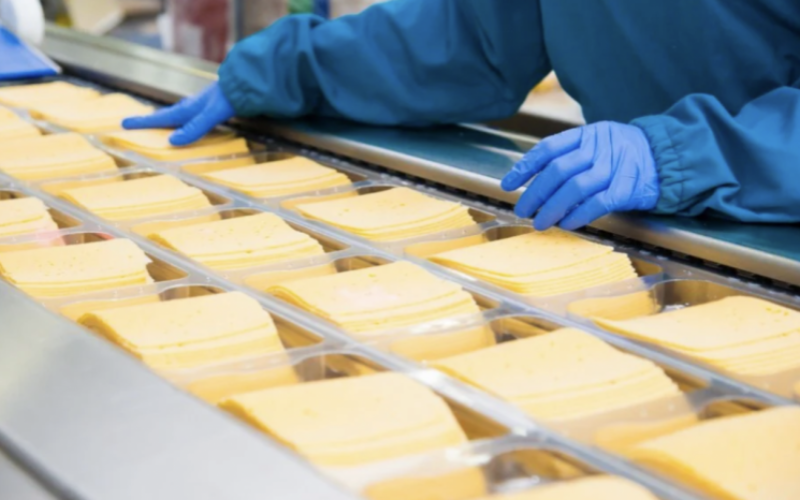
U.S. Dairy Exports Surge Driven by Global Demand for Cheese and Whey
The U.S. Dairy Export Council reports in recent months, the United States has seen a notable increase in dairy exports, particularly in cheese, whey, and milk powder. This growth is largely attributed to rising global demand, which has opened up new opportunities for American dairy producers.

As of March 2026, U.S. cheese exports have grown substantially, with key markets including countries in Asia and Latin America. The demand for whey products, often used in food processing and health supplements, has also contributed to this upward trend.

The U.S. dairy industry has been adapting to meet these demands, focusing on expanding production capabilities and enhancing supply chain efficiencies. This strategic shift is aimed at maintaining the momentum gained in these international markets.

Industry experts note that the competitive pricing and high-quality standards of U.S. dairy products have played a significant role in capturing market share abroad. This is especially true in regions where the preference for quality dairy products is on the rise.

The industry continues to emphasize trade policy and market access as essential pillars for maintaining momentum. Ongoing efforts aim to reduce trade barriers, strengthen partnerships and enhance the global competitiveness of U.S. dairy products.

Market Impact
The increase in exports is not only beneficial for producers but also positively impacts related sectors, such as logistics and transportation, which are integral to the export process.

Looking forward, the sustained demand for U.S. dairy products is expected to encourage further investments in the sector, bolstering its global standing and economic contribution.

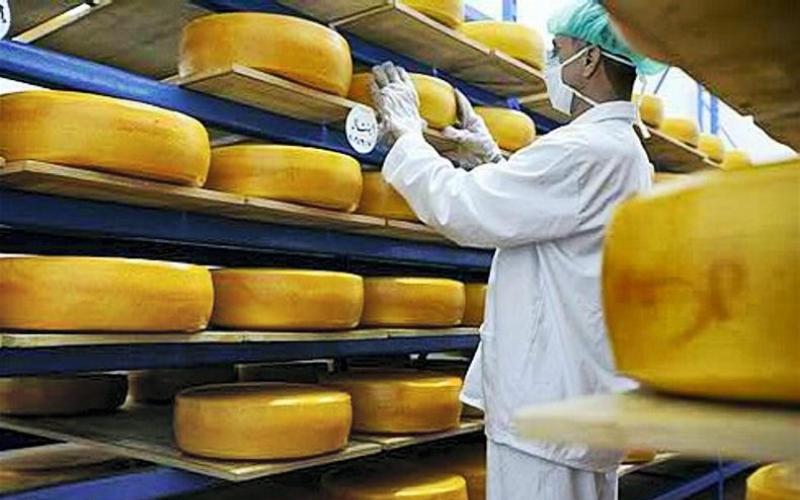


USDA Allocates $263 Million For Dairy & Agricultural Products To Support Food Banks

USDA Allocates $263 Million for Dairy and Agricultural Products to Support Food Banks

The United States Department of Agriculture (USDA) has committed to purchasing up to $263 million in dairy and agricultural products. This initiative falls under Section 32 of the Agriculture Act of 1935 and is intended to bolster nutrition assistance programs and food banks across the nation. USDA Secretary Brooke Rollins highlighted that this effort aims to stabilize farm income and protect rural jobs by converting agricultural harvests into meals.

The breakdown of the purchases includes $75 million for butter, $32.5 million for cheddar cheese and cheese products, $10 million for Swiss cheese, and $20.5 million for fresh fluid milk. Additionally, $10 million will be spent on ultra-high temperature milk. These products will be essential in supporting food banks and nutrition programs.

Beyond dairy, the USDA’s purchase plan covers a variety of agricultural products such as chickpeas, dried beans, fresh pears, lentils, pecans, split peas, and walnuts, with individual allocations ranging from $10 million to $25 million. Secretary Rollins emphasized the importance of these purchases in sustaining the agricultural economy and reinforcing the food supply chain.

The USDA’s action is designed to inject critical dollars into local economies while ensuring that American families have access to nutritious food. By targeting a wide range of products, the USDA seeks to provide comprehensive support to both producers and consumers during challenging economic times.


Cheese Prices Surge, But Is The Rally Already Over?

Cheese Prices Soar, But Is The Rally Already Over

Cheese prices break $1.70, boosting nearby milk futures, but the slide in 2026 contracts signals future uncertainty.

The recent surge in cheese prices has been a topic of close scrutiny among market watchers. Breaking the crucial $1.70 per pound mark, cheese prices are infusing optimism into milk futures contracts for the coming months. This rally represents a strong signal for the dairy sector, with nearby Class III futures experiencing significant boosts as September contracts rose by more than 40 cents from the week’s low.

However, while short-term cheese markets are thriving, 2026 futures contracts do not paint the same rosy picture. They have dipped, with January to June contracts falling six cents to a low of $17.78 per hundredweight, showing the lowest levels since April. This trend underlines the mixed sentiments within the dairy industry, with concerns about the longer-term outlook.

Market Highlights:

  • CME cheese markets saw a resurgence over $1.70 per pound, with spot blocks closing at $1.7050 per pound and barrels at $1.7100 per pound.
  • The butter market faced a slight downturn to $2.4450 per pound, while spot dry whey prices rallied up to $0.5500 per pound.
  • Latest labor statistics indicate a soft job market, with only 73,000 new jobs added in July, and unemployment rising to 4.2%.

The dichotomy in cheese price trends between various futures contracts and spot markets captures the existing uncertainty within the dairy industry as it navigates the fluctuating economic landscape.