A Dairy Farm In Plato Promoting Raw Milk & Family Farming

Plato Dairy's Role in Promoting Raw Milk and Family Farming
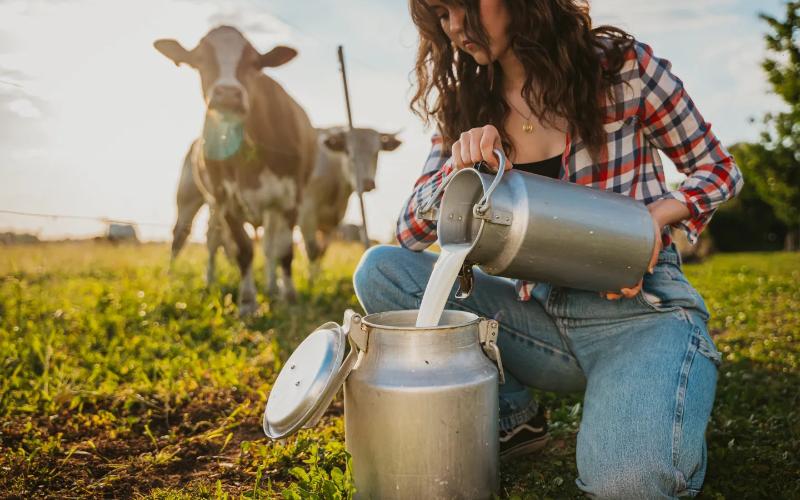
A dairy farm located in Plato is making strides in strengthening family farming by supplying raw milk. This initiative not only supports the local economy but also fortifies the connection between milk producers and community consumers.

The farm’s approach emphasizes the importance of raw milk, which is gaining popularity among consumers seeking natural and less processed dairy options. By focusing on family farming, the farm aims to preserve traditional dairy farming methods while enhancing the local food system.

Plato Dairy’s operations are contributing to the sustainability of local agriculture, ensuring that small-scale farmers remain competitive in the market. The farm’s efforts are seen as a model for other regions looking to promote similar agricultural practices.

The move to highlight raw milk and family farming aligns with a broader trend in the agricultural sector toward more transparent and community-oriented food production systems. This approach is gaining traction as consumers become increasingly interested in the origins of their food and the processes involved in its production.

By maintaining direct connections with consumers, the farm not only ensures the quality of its products but also builds trust and loyalty within the community. This model of operation could serve as an example for other dairy farms seeking to enhance their local presence and sustainability.


Labor Shortages & Economic Challenges Impact U.S. Dairy Industry

Labor Shortages and Economic Challenges Impact U.S. Dairy Industry
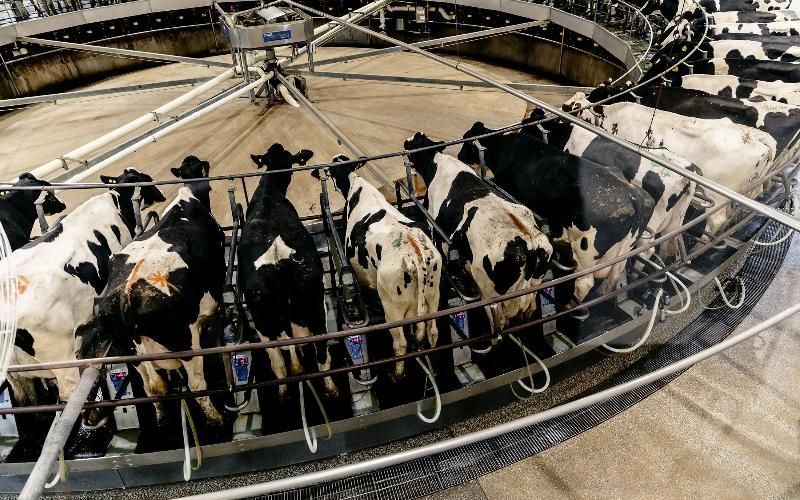
The U.S. dairy industry is grappling with severe labor shortages, which are exacerbating economic challenges for dairy farms. Large dairy operations are finding it increasingly difficult to hire enough workers, a situation that is contributing to a broader labor crisis within the sector.

One of the key issues facing the industry is the ongoing consolidation of dairy farms. As smaller farms struggle to compete, they are often absorbed by larger operations or forced to shut down. This trend is partly driven by persistently low milk prices, which have made it difficult for many farms to remain profitable.

According to industry reports, the shortage of labor is not only a result of demographic changes but also linked to the demanding nature of dairy work, which requires long hours and physical exertion. Many potential workers are opting for jobs in other sectors that offer better pay and working conditions.

The implications of these challenges extend beyond the dairy farms themselves. Rural communities that rely on dairy farming for economic stability are facing uncertainties. As farms consolidate or close, local economies can suffer from reduced employment opportunities and decreased economic activity.

Efforts to address these issues have included calls for policy changes, such as improving labor mobility and offering incentives to attract workers to the dairy industry. However, these solutions face hurdles, including political and economic constraints.

Future Outlook

While the industry seeks ways to mitigate these challenges, the combination of labor shortages, economic pressures, and consolidation is likely to continue shaping the future of U.S. dairy production. Stakeholders are closely monitoring the situation, hoping for measures that will provide relief and ensure the sustainability of dairy farming in the United States.