A Dairy Farm In Plato Promoting Raw Milk & Family Farming
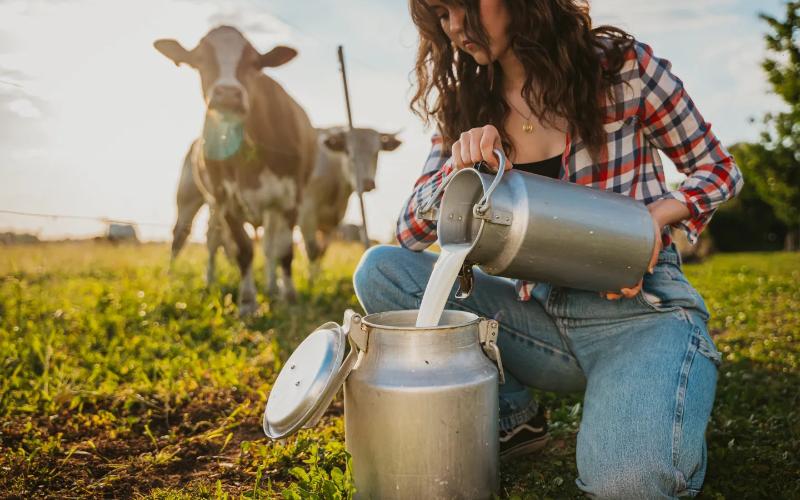
Plato Dairy's Role in Promoting Raw Milk and Family Farming
A dairy farm located in Plato is making strides in strengthening family farming by supplying raw milk. This initiative not only supports the local economy but also fortifies the connection between milk producers and community consumers.

The farm’s approach emphasizes the importance of raw milk, which is gaining popularity among consumers seeking natural and less processed dairy options. By focusing on family farming, the farm aims to preserve traditional dairy farming methods while enhancing the local food system.

Plato Dairy’s operations are contributing to the sustainability of local agriculture, ensuring that small-scale farmers remain competitive in the market. The farm’s efforts are seen as a model for other regions looking to promote similar agricultural practices.

The move to highlight raw milk and family farming aligns with a broader trend in the agricultural sector toward more transparent and community-oriented food production systems. This approach is gaining traction as consumers become increasingly interested in the origins of their food and the processes involved in its production.

By maintaining direct connections with consumers, the farm not only ensures the quality of its products but also builds trust and loyalty within the community. This model of operation could serve as an example for other dairy farms seeking to enhance their local presence and sustainability.


China Officially Bans Production of Reconstituted Drinking Milk

China Bans Production of Reconstituted Drinking Milk

China officially banned the use of reconstituted milk in the production of sterilized milk under the latest revision of its national food safety standards.

China has approved new food safety standards that will ban the production of drinking milk from dry milk powder from September 19, 2025. From then on, only raw milk will be allowed to be used to make sterilized milk.

The innovation is intended to increase the level of control over the quality of dairy products and support domestic producers.

Reconstituted milk, also known as recombined milk, refers to a milk emulsion made by mixing dry dairy products with water in specific proportions.

“Put simply, it’s just milk powder mixed with water,” said an expert. The expert noted that the revisions align with both industry demands and consumer expectations for higher-quality dairy products

The ban on reconstituted milk is also expected to drive up demand for raw milk. Since sterilized milk will be made directly from raw milk — naturally rich in bioactive nutrients — it is expected the move will improve both the nutritional value and taste of the final product.

The decision became part of the updated regulatory framework, including 50 new standards and nine amendments approved as part of the state food security strategy. Previously, similar restrictions were already in force in the EU, Japan, and were also supported by the WHO and the UN FAO.

Powdered milk is also the second most frequently adulterated product in the world after olive oil. In the history of the food industry, there have been cases of adding urea, formalin, alkalis, acids and melamine to imitate full-fledged milk.

The ban in China may significantly change the structure of international trade in dairy products. According to analysts, exporting countries, primarily New Zealand and the EU, will be forced to redistribute supplies of powdered milk and adapt product lines to the new rules.

In the United States, reconstituted milk may only be used for sterilized milk production in regions with limited milk supply.

China remains the largest consumer and importer of dairy products in the world. Tighter standards are expected to reduce demand for imported milk powder, increase the share of domestic whole milk production and affect global price trends in the sector.